


5 Steps How to Foster a Dog and Set Them Up for Success (Easy Guide for New Fosters)

So, you’re thinking about opening your heart and your home to a foster dog? First off... thank you. Seriously. By even considering this, you’re already a hero in our book.
Fostering is one of the most powerful things you can do for a rescue. It’s the bridge between a dog’s "before" and their "forever." It’s giving a soul who might have been abandoned, abused, or just plain unlucky a soft place to land. It’s teaching them that humans can be kind, that beds can be soft, and that breakfast actually comes every single morning.
But let’s be real... it’s also a little bit scary the first time. You probably have a million questions. Will they get along with my cat? What if they chew my shoes? How do I even find a dog rescue near me that I can trust?
Don't worry. We've got your back. At Their Best Life Dog Sanctuary, we see the magic of fostering every day. We’ve put together this simple, five-step guide on how to foster a dog so you can stop stressing and start saving lives.
Step 1: Find the Right Match (The "First Date" Phase)
The first thing most people do is pull up Google and search for "foster a dog near me." That’s a great start! But remember, not every rescue is the right fit for every person. You want to find an organization that aligns with your lifestyle and offers the support you need.
When you apply, the rescue will ask you about your home, your schedule, and your current pets. Don’t see this as an interrogation... see it as a matchmaking service! We want you to succeed. If you have a high-energy lifestyle, we might pair you with a pup who loves to hike. If you’re more of a Netflix-and-chill type, a senior dog might be your perfect match.
Pro tip: Before you sign on the dotted line, check out this guide on finding the right rescue to start your journey. It’ll help you ask the right questions so there are no surprises.

A gentle soul like Cyril is just waiting for a chance to show you how much love he has to give.
Step 2: Prep Your "Safe Zone"
Before you pick up your new temporary roommate, you need to dog-proof your space. Think of it like bringing home a toddler who has a very high vertical jump and a curiosity for electrical cords.
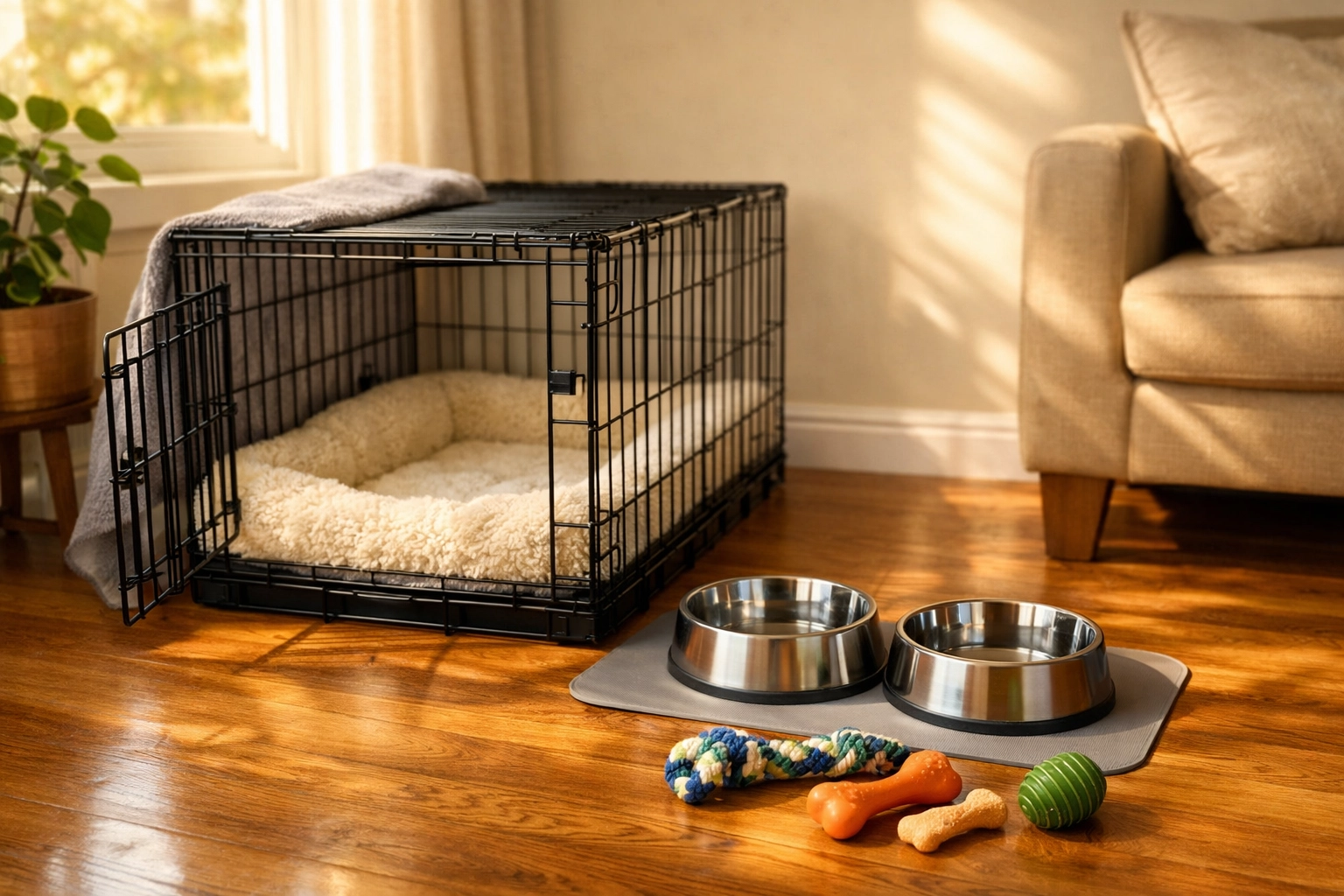
You’ll want to set up a dedicated area: we call it the "Safe Zone." This could be a spare bedroom, a laundry room, or just a quiet corner with a crate and a baby gate. This gives the dog a place to retreat when they feel overwhelmed.
Here’s your quick shopping list:
A sturdy crate (it’s their "bedroom," not a punishment!)
Two bowls (one for kibble, one for water)
A few safe chew toys (to keep those teeth off your furniture)
A comfortable bed or some old, soft blankets
Remember, the goal is to make them feel secure. If you’re feeling a bit overwhelmed about the logistics, we’ve written a quick start guide to saving a life that breaks down the essentials even further.
Step 3: The Big Arrival (Patience is Your Best Friend)
The moment is here! You’ve picked up your foster dog and brought them home. It’s tempting to want to throw a "welcome home" party, invite the neighbors over, and shower the dog with cuddles.
Our advice? Don’t.
Imagine being dropped into a foreign country where you don't speak the language and everyone is trying to hug you. You’d be terrified, right? Most rescue dogs need time to decompress. This is where the "3-3-3 Rule" comes in:
3 Days: To decompress and realize they are safe.
3 Weeks: To learn your routine and show their true personality.
3 Months: To fully feel "at home" and build a bond.
Keep things low-key for the first few days. Let them sniff around. If they want to hide in their crate, let them. They aren't being "unfriendly": they’re just processing. If you have other pets, introduce them slowly on neutral ground.

Sometimes, all a foster dog needs is a quiet spot and a soft toy to feel safe for the first time in years.
Step 4: Establish the "New Normal" Routine
Dogs crave structure. For a dog who has been living in a chaotic environment or a noisy shelter, knowing when things happen is the ultimate comfort.
Start a routine on day one. Feed them at the same time. Walk them along the same route. Use the same door for potty breaks. This predictability lowers their cortisol levels and helps them relax.
Fostering isn't just about giving them a bed; it's about preparing them for their forever home. This means working on the basics:
House-training: Treat every foster dog like a puppy until they prove otherwise. Frequent potty breaks and lots of praise go a long way!
Leash manners: Short, positive walks help them burn energy and learn that the world isn't so scary.
Crate training: This is a huge "selling point" for future adopters. A dog who is comfortable in a crate is much easier to transition into a new home.
If you’re a beginner and feeling a little lost, check out this beginner's guide that actually helps. It’s packed with the "boots on the ground" advice we give all our new volunteers.
Step 5: Be the Bridge to Their Forever
This is the hardest: and the best: part. Once your foster dog has settled in and their personality starts to shine, it’s time to help them find their permanent family.
You are the expert on this dog. You know that they love belly rubs, that they’re afraid of the vacuum, and that they do a little "tippy-tap" dance when it’s time for breakfast. Share these details with the rescue! Great photos and fun "bio" descriptions make a massive difference in how fast a dog gets adopted.
And then comes the day... the day a family falls in love with them.
People often tell us, "I could never foster. I’d get too attached. I’d cry when they leave." And honestly? You probably will. We do, too! But those tears are happy ones. When you let a foster dog go, you aren't "losing" a pet. You’re completing a mission. You saved a life so that you can open your home to save the next one.

There is no feeling quite like watching a dog you fostered walk off into the sunset with their new forever family.
Why Fostering Matters Right Now
Shelters across the country are at capacity. Dogs are staying longer, and resources are stretched thin. When you choose to foster, you aren't just helping one dog. You’re actually helping two: the dog you took into your home, and the dog who now has a spot in the shelter because you freed up a kennel.
If you’re still on the fence about whether you’re ready, or if your schedule is just too crazy right now, don’t feel guilty! There are so many other ways to support our mission. You can read about 7 quick ways to help animal rescues that don't involve a full-time commitment.
But if you are ready... if you have a little extra space on your rug and a lot of extra love in your heart... then let’s get started.
Will you join us?
Learning how to foster a dog is a journey, but it’s one you won’t take alone. At Their Best Life Dog Sanctuary, we are with our fosters every step of the way: from the first application to the final "happy tails" goodbye.
Ready to make a difference? Check out why fostering is the best way to help and let's find your first foster match today. Together, we can make sure every dog gets the life they deserve.
Because at the end of the day, they all deserve their best life. And you might just be the person to give it to them.
Comments