


Why Fostering is the Best Way to Help a Dog Rescue (and How to Get Started)

You want to help rescue dogs. You really do.
But maybe you can't adopt right now. Your living situation is temporary. Your schedule is unpredictable. Or maybe you're just not ready for that 10-15 year commitment.
Here's the thing... you can still make a massive difference.
Fostering is one of the most powerful ways to support dog rescues like ours. It saves lives. It changes futures. And it might just change yours too.
Let's talk about why fostering matters so much, and how you can get started today.
What Exactly Is Fostering?
Fostering means opening your home to a rescue dog temporarily. You provide a safe, loving environment while the dog waits for their forever family.
Think of it as a bridge. You're helping a dog cross from uncertainty to stability. From a shelter kennel to a warm couch. From scared and confused to happy and hopeful.
The length of time varies. Some fosters last a weekend. Others stretch for a few weeks or months. It all depends on the dog's needs and your availability.
And here's the best part, you're never alone in this. Rescues like Their Best Life Dog Sanctuary provide support, supplies, and guidance every step of the way.

Why Fostering Saves Lives
Let's get real for a moment.
Shelters across the country are overflowing. Space is limited. Resources are stretched thin. And when capacity runs out... well, the consequences can be heartbreaking.
Every foster home creates space for another dog to be saved.
When you take a dog into your home, you're not just helping that one pup. You're freeing up a kennel. You're allowing the rescue to say "yes" to another dog in desperate need.
It's a ripple effect. One foster placement can literally be the difference between life and death for multiple animals.
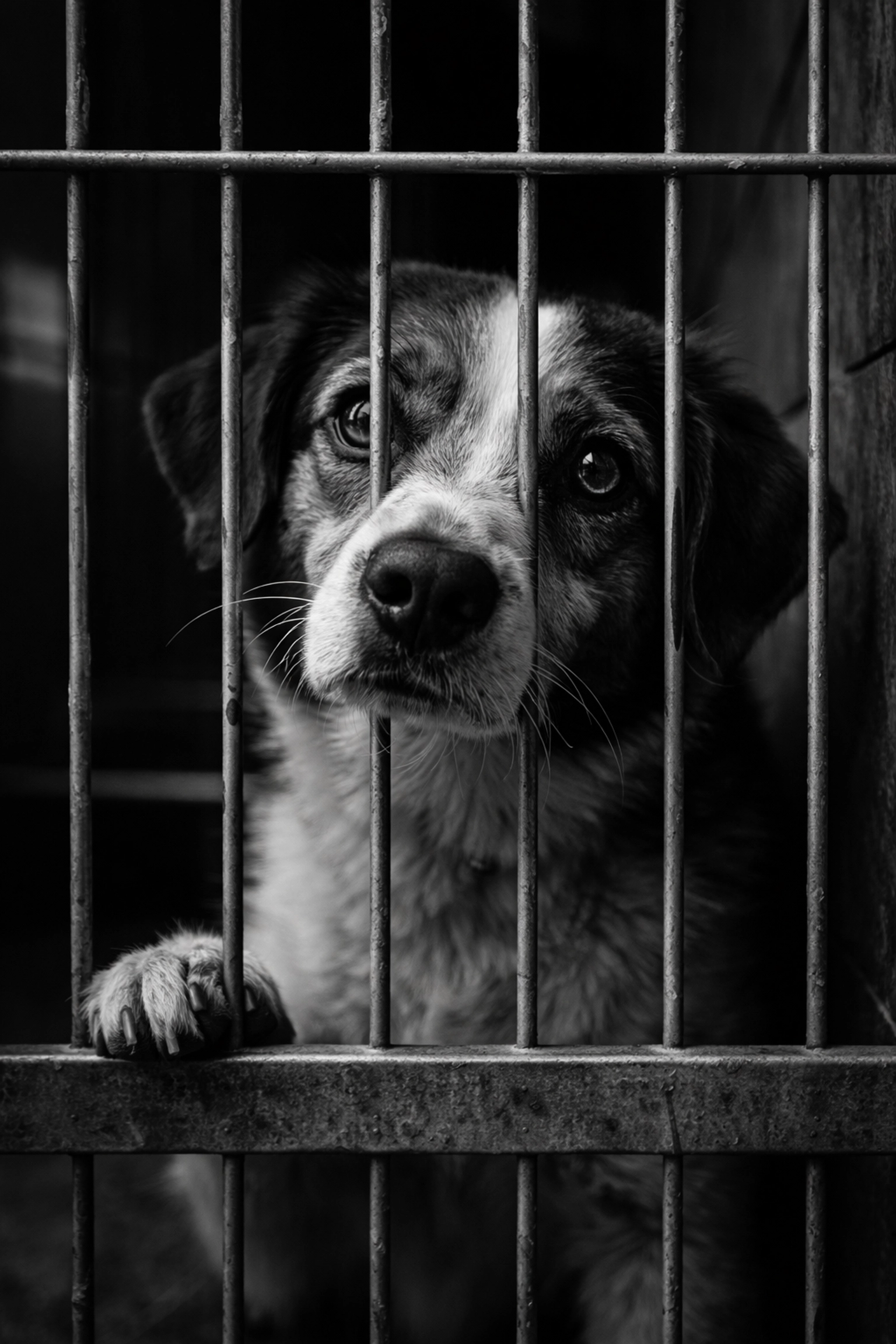
Shelters Are Stressful, Homes Are Healing
Even the best-run shelters can be overwhelming for dogs. The constant barking. The unfamiliar smells. The lack of routine.
This stress weakens immune systems. It triggers anxiety. Some dogs shut down completely. Others develop behavioral issues that make them harder to adopt.
But in a foster home? Everything changes.
Dogs decompress. They relax. They start to show their true personalities, the goofy tail wags, the silly zoomies, the gentle cuddles.
A calm, stable environment does wonders for a dog's mental and physical health. And a healthier, happier dog is far more likely to find their forever family.
Foster Homes Prepare Dogs for Real Life
Here's something people don't always think about...
Many rescue dogs have never lived in a home before. They don't know what a doorbell sounds like. They've never seen a vacuum cleaner. House training? That's a foreign concept.
Foster families teach these essential life skills. You're helping dogs learn:
Basic commands like sit, stay, and come
How to walk nicely on a leash
Proper house manners
How to interact with other pets and people
What it means to be part of a family
This training dramatically increases adoption success. Dogs with foster experience are simply more prepared for their new lives. They transition smoother. They bond faster. They stay in their forever homes.
Special Needs Dogs Get the Care They Deserve
Some dogs need more than a shelter can provide.
Newborn puppies requiring round-the-clock bottle feeding. Senior dogs recovering from surgery. Shy pups who need patience to build trust. Dogs healing from abuse or neglect.
These vulnerable animals thrive in foster care. They get one-on-one attention. They receive specialized care tailored to their unique needs. They learn that humans can be kind.
Without foster families, many of these dogs wouldn't have a chance.
The Unexpected Benefits for Foster Families
Okay, so fostering helps dogs. That's obvious.
But here's what might surprise you, fostering helps you too.
It's incredibly fulfilling. Watching a scared dog blossom into a confident, happy pup? There's nothing quite like it. You're literally witnessing transformation.
It's a test run. Not sure if you're ready for dog ownership? Fostering lets you experience it without the permanent commitment. You'll learn what type of dog fits your lifestyle.
It keeps you active. Dogs need walks, playtime, and attention. Fostering naturally gets you moving and keeps you engaged.
It connects you to community. You'll meet other fosters, rescue volunteers, and dog lovers who share your passion. These connections often turn into lasting friendships.
It teaches your family compassion. If you have kids, fostering is an incredible way to model empathy and responsibility. They'll learn the value of helping those who can't help themselves.

How to Get Started as a Foster
Ready to take the leap? Here's how to begin your fostering journey.
Step 1: Research Local Rescues
Different organizations have different needs and processes. Some focus on specific breeds. Others specialize in seniors or medical cases.
Find a rescue whose mission resonates with you. Check out what we do at Their Best Life Dog Sanctuary to see if we're the right fit.
Step 2: Fill Out an Application
Most rescues have a simple application process. You'll answer questions about your living situation, experience with pets, and what you're looking for in a foster dog.
Be honest. This helps match you with a dog that fits your lifestyle.
Step 3: Complete Any Required Training
Some organizations offer foster orientations or training sessions. These prepare you for common challenges and teach you what to expect.
Don't worry, you don't need to be an expert. Willingness to learn is what matters most.
Step 4: Set Up Your Home
Create a safe space for your foster dog. This doesn't need to be fancy. A quiet corner with a bed, food and water bowls, and some toys is plenty.
Many rescues provide supplies like food, crates, leashes, and even cover veterinary costs. The financial burden on you is minimal.
Step 5: Welcome Your Foster Dog
This is the exciting part. You'll meet your foster pup and begin your adventure together.
Give them time to adjust. Those first few days can be overwhelming for a dog in a new environment. Patience and consistency are your best tools.

What to Expect During the Foster Experience
Let's set realistic expectations.
The first few days might be rough. Your foster dog may be anxious, withdrawn, or overly energetic. This is normal. They're processing a lot of change.
You'll see transformation. Usually within a week or two, dogs start showing their true selves. It's magical to witness.
Saying goodbye is hard. Yes, it's emotional when your foster gets adopted. But here's the perspective shift, you're not losing a dog. You're gaining space to save another life.
Many fosters describe it as "happy tears." You're not saying goodbye forever. You're celebrating a success story that you made possible.
Ready to Make a Difference?
You don't need a huge house. You don't need years of dog training experience. You don't need unlimited time or money.
You just need a little space in your home and a lot of love in your heart.
Fostering is accessible. It's flexible. And it's one of the most direct ways you can help rescue dogs in your community.
Every dog deserves a chance at their best life. Will you help give them that chance?
Take action today and learn how you can become a foster family. Together, we can save more lives: one foster at a time.
Comments