


How to Foster a Dog for the First Time: A Beginner's Guide That Actually Helps

So you're thinking about fostering a dog for the first time. Maybe you've scrolled past one too many shelter posts. Maybe you've always wanted a dog but aren't sure about a forever commitment just yet. Or maybe you simply have room in your heart, and your home, to help a pup in need.
Whatever brought you here… we're glad you came.
Fostering saves lives. It's that simple. When you open your door to a foster dog, you're giving them something a shelter can't: a real home environment where they can decompress, learn to trust, and show their true personality before finding their forever family.
But let's be honest. Fostering can feel overwhelming if you've never done it before. You've got questions. Concerns. Maybe a little anxiety about what you're getting into.
That's exactly why we put together this guide. No fluff. No vague advice. Just practical, real-world tips that actually help.
Let's dive in.
Before You Bring Your Foster Dog Home
Preparation is everything. The more you set up before your foster dog arrives, the smoother those first days will be, for both of you.
Check the basics first. Most rescues and shelters will ask you to confirm a few things:
Your current pets (if any) are up to date on vaccinations
You have access to a veterinarian
Your schedule allows time for feeding, walks, and supervision
Don't worry, you don't need to be a professional dog trainer. You just need patience, consistency, and a willingness to learn alongside your new furry houseguest.
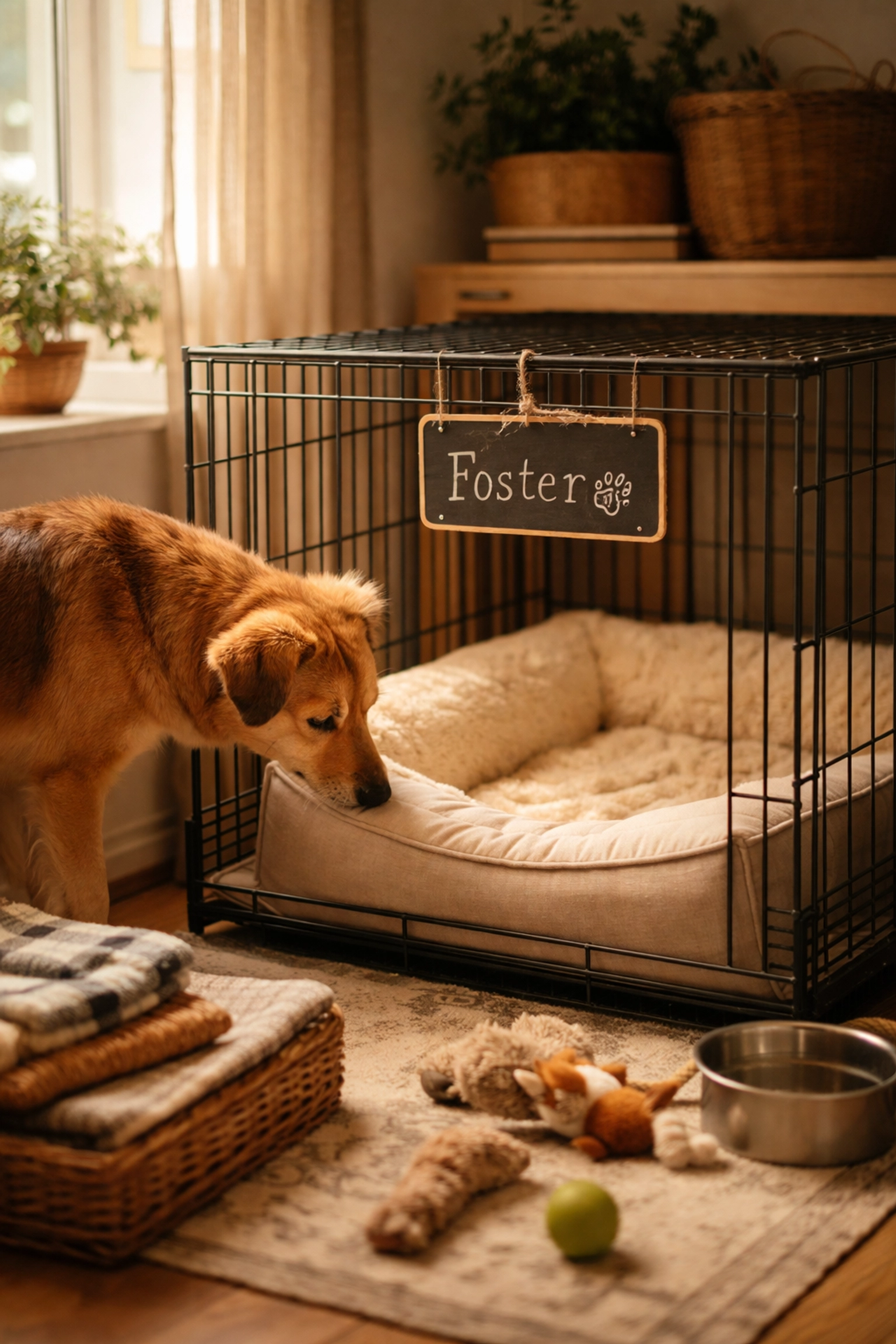
Create a quiet, safe space. Before your foster dog walks through the door, designate a calm area where they can decompress. This could be a spare bedroom, a corner of your living room, or even a bathroom for very nervous dogs.
Set up this space with:
A crate (large enough for them to stand and turn around)
Soft bedding, old towels or blankets work great
Food and water bowls
A few toys
A baby gate to limit access to certain rooms
Leave the crate door open. Let them explore it on their own terms. Never force a dog into a crate, it should feel like a safe den, not a cage.
Prepare yourself mentally. Here's the truth: not everything will go smoothly at first. There will be surprises. Maybe an accident on the floor. Maybe some anxious barking at 2 AM. That's normal.
Your foster dog is entering a completely new world. Everything, the smells, the sounds, the routines, is unfamiliar. Give yourself (and them) grace during the adjustment period.
The First 72 Hours: Why They Matter So Much
The first three days are critical. This is when your foster dog is figuring out whether they're safe. Whether they can trust you. Whether this strange new place might actually be okay.
Keep things calm and contained. During those first 72 hours, keep your foster dog on a leash, even inside the house. You can tether them to furniture when you're nearby. This prevents them from getting overwhelmed with too much freedom too fast.
Minimize introductions. Your foster dog doesn't need to meet your neighbors, your extended family, or your mail carrier right away. Stick to immediate household members only.
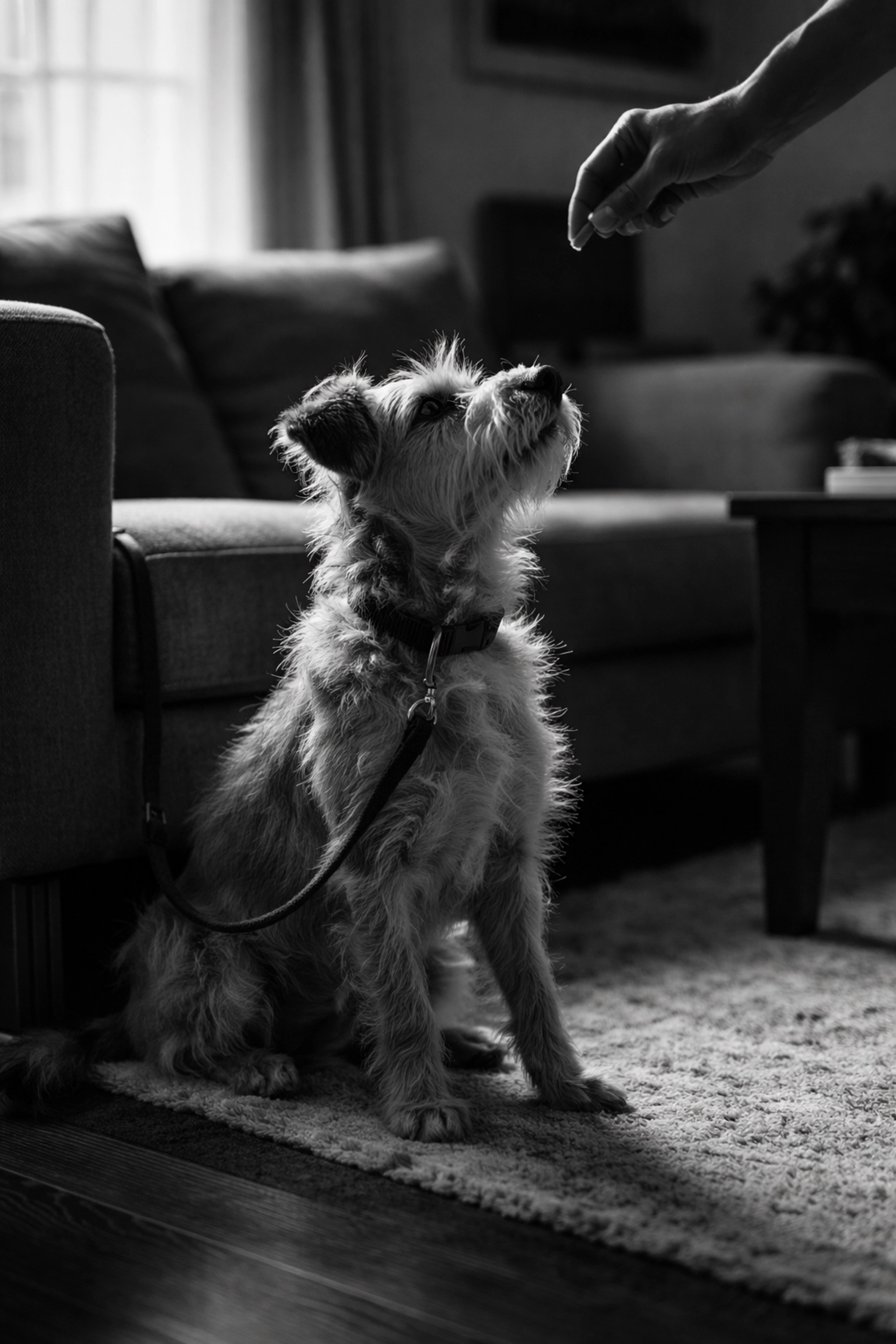
Expect accidents. Even if the shelter told you the dog is housetrained, assume there will be accidents. A new environment is stressful, and stress affects bladder control.
Take your foster dog outside every 2-3 hours on a leash. Use the same spot each time. When they go, praise them like they just won the lottery. Treats help too.
Keep them in your line of sight. For those first few days, don't let your foster dog wander unsupervised. If you can't watch them directly, they should be in their crate or safe space.
This isn't about control, it's about setting them up for success.
Setting Up Daily Routines
Dogs thrive on predictability. A consistent routine helps your foster dog feel secure faster than almost anything else.
Stick to a schedule. Try to feed, walk, and take potty breaks at the same times each day. Morning walk at 7 AM. Breakfast at 7:30. Evening walk at 6 PM. You get the idea.
Feed the same food. If the shelter or rescue provided food, stick with it, at least for the first week or two. Switching foods suddenly can cause digestive upset, which is the last thing you need while a dog is adjusting.
Find a quiet walking route. Those first walks should be calm and low-stress. Avoid busy streets, dog parks, or areas with lots of strangers. A quiet neighborhood loop works great.
For the first week or two, skip introductions to people or dogs you meet on walks. Your foster dog needs time to bond with you before expanding their social circle.
Introducing Your Foster Dog to Other Pets
Already have a dog or cat at home? Introductions need to be slow and supervised.

For dogs: Introduce them one at a time in a neutral, outdoor space. Both dogs should be on leash. Let them sniff and check each other out without forcing interaction.
Keep initial meetings short. Gradually increase time together as they get comfortable. Don't leave them unsupervised until you're 100% confident they're safe together.
For cats: Wait about a week before a face-to-face introduction. Keep your foster dog on leash during the first meeting. Let the cat approach on their own terms, never let the dog charge at them.
During those first 72 hours, remove shared resources like bones, toys, and food bowls. This eliminates potential triggers for resource guarding.
Crate Training: Making It a Positive Experience
A crate isn't punishment. Done right, it becomes your foster dog's safe haven, a place they actually want to be.
Start slow. Leave the crate door open with treats scattered inside. Let your dog explore at their own pace. Gradually place treats farther back until they're walking all the way in.
Never force it. If your foster dog is fearful, this process might take days. That's okay. Patience is everything here.
Once they're comfortable going in, try closing the door for short periods while you're nearby. Gradually increase the time. Always keep it positive, treats, praise, calm energy.
The Emotional Side of Fostering
Here's something no one tells you: fostering is emotional. You're going to fall in love a little (or a lot). And then you're going to say goodbye.
That goodbye? It's hard. But it's also beautiful.
Because when your foster dog leaves for their forever home, you've given them something incredible. A second chance. A fresh start. A bridge from uncertainty to love.
And guess what? You've also made room for the next dog who needs you.
That's the magic of fostering. Every goodbye makes space for another hello.
Ready to Take the First Step?
Fostering isn't about being perfect. It's about being present. Showing up. Offering a scared, confused, or overlooked dog a safe place to land while they wait for their forever family.
You don't need a huge house. You don't need years of experience. You just need an open heart and a willingness to learn.
If you're ready to foster; or even just curious: we'd love to hear from you. Visit our Take Action page to learn more about fostering opportunities at Their Best Life Dog Sanctuary.
Together, we can give every dog the chance to live their best life.
One foster home at a time.
Comments