


Why Are Rescue Dogs Staying in Shelters Longer?
- Chip

- Mar 5
- 6 min read
Have you ever walked through a shelter and seen the same hopeful face week after week? You visit on a Saturday to drop off some blankets, and there he is, a goofy, tail-wagging lab mix. You come back a month later to volunteer at an animal shelter, and he’s still there. Only this time, his tail wag is a little slower, and his eyes look a little more tired.
It’s a heartbreaking trend we’re seeing across the country and right here at Their Best Life Dog Sanctuary. Rescue dogs are staying in shelters longer than they used to. While the world opened back up after the pandemic, the doors to forever homes seem to be closing just a little bit slower for our four-legged friends.
But why is this happening? And more importantly, what does it mean for the dogs who are waiting?
The "Length of Stay" Challenge
In the rescue world, we talk a lot about "Length of Stay" (LOS). It’s a clinical term for something that feels very personal. LOS is the number of days between the moment a dog enters our care and the moment they walk out the door with their new family.
Ideally, we want that number to be as low as possible. Not because we don't love having them here, we do!, but because a sanctuary, no matter how much love we pour into it, is not a home.

Alt Text: A young brown dog in a shelter environment looking hopefully through kennel bars.
Lately, that LOS number has been creeping up. Across the nation, puppies used to fly out the door in about 23 days. Now? Even the little ones are waiting longer. For adult dogs and seniors, the wait can stretch into months or even years.
Why the Wait? The Factors at Play
There isn't just one reason why dogs are staying longer. It’s a "perfect storm" of economic pressures, housing restrictions, and simple misconceptions.
1. The Age Gap
Everyone loves a puppy. They have that new-dog smell and those tiny paws. But adult dogs, the ones who are already house-trained and past the chewing phase, are being overlooked. Senior dogs face the toughest climb. Potential adopters often worry about medical bills or the emotional weight of a shorter time together. They miss out on the incredible, quiet devotion that only an older dog can give.
2. Size Matters (To Landlords)
We see so many wonderful medium and large-breed dogs who are absolute "velcro dogs." They just want to lean against your legs and be loved. But many people searching for a dog rescue near me are restricted by apartment weight limits or insurance policies. This leaves our "big kids" waiting in their kennels while smaller dogs find homes in days.
3. The Breed Stigma
Certain breeds, especially guard dog types or "bully" breeds, stay in shelters significantly longer. It doesn't matter if they passed their behavioral tests with flying colors or if they are champion snugglers. The stigma keeps people from even clicking on their profile.
4. The Economy
Let's be real, life has gotten expensive. From bags of kibble to routine vet visits, the cost of living affects our pets too. Many families who want to adopt are hesitating because they aren't sure if they can swing the extra monthly expenses.
The Hidden Toll of the Long Wait
When a dog stays in a shelter for a long time, the impact isn't just on our calendar, it’s on their soul.
Shelters are loud. They are busy. Even at a sanctuary like ours, where we strive to provide the most compassionate environment possible, the constant barking and the lack of a consistent "person" can lead to what we call "kennel stress."
Dogs who stay too long might start:
Spinning or pacing in their kennels.
Barking excessively out of frustration or anxiety.
Losing weight because they are too stressed to eat.
Developing reactivity toward other dogs because they feel trapped.
It’s a vicious cycle. The longer a dog stays, the more stressed they become. The more stressed they become, the harder it is for an adopter to see their true personality.

Alt Text: A German Shepherd-mix dog lying on the ground near tires, illustrating the sparse conditions dogs often face before coming to a sanctuary.
How Long Stays Impact Our Mission
At Their Best Life Dog Sanctuary, we never give up on a dog. If a dog stays with us for three years, we will love them for three years. But there is a secondary impact to these long stays: it limits who else we can save.
Every day a kennel is occupied by a long-term resident is a day we can't say "yes" to a dog in a high-kill facility or a stray wandering the streets. When you search for a dog rescue near me, you’re looking for a place of hope. But hope requires space and resources.
Longer stays mean:
Increased Vet Costs: More months of heartworm preventative, flea treatment, and senior wellness checks.
Food Expenses: Feeding a large dog for six months costs significantly more than feeding them for six days.
Behavioral Support: We often invest in professional trainers to help long-term residents maintain their social skills and mental health.
How You Can Shorten the Wait
You don't have to adopt ten dogs to make a difference (though wouldn't that be a dream?). There are so many ways you can help us turn these long stays into "happily ever afters."
1. Become a Volunteer When you volunteer at an animal shelter, you are literally a lifeline. Dogs who get regular human interaction and walks are more relaxed, more social, and much more likely to be adopted. Your one hour of play could be the reason a dog stays calm enough to impress an adopter the next day.
2. Foster if You Can’t Adopt Fostering is like a "vacation" from the shelter. It allows a dog to decompress in a home environment. It also gives us invaluable information about how they behave with cats, kids, or the vacuum cleaner! Check out our guide on fostering to see if it's right for you.
3. Share Their Stories If you see a long-term resident on our blog or social media, share it! You never know which of your friends is looking for exactly that kind of dog.
4. Donate to the Long-Term Care Fund Because these dogs stay with us longer, our bills are higher. Your donations go directly toward the food, medical care, and enrichment toys that keep our long-term residents happy and healthy while they wait for their person.
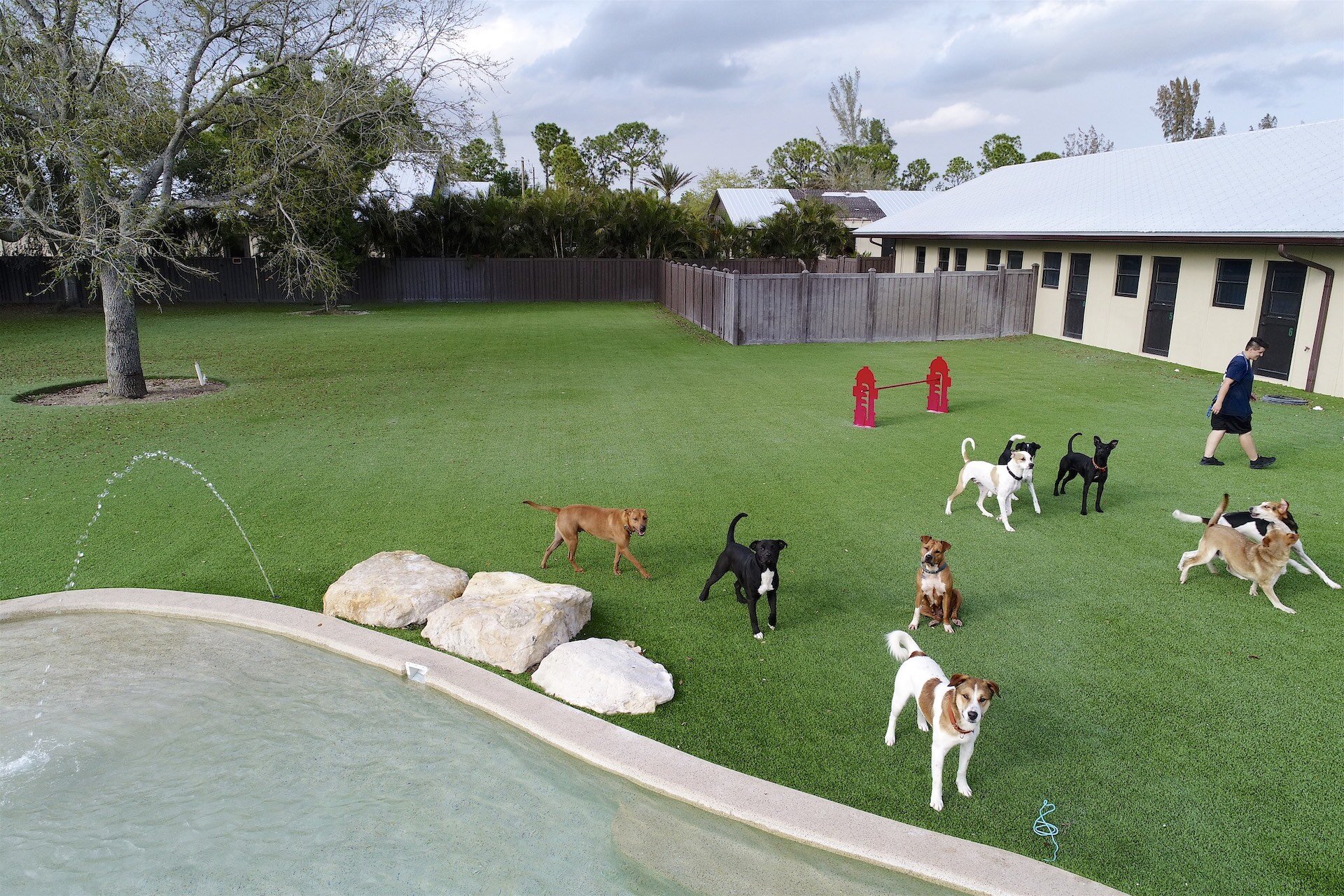
Alt Text: A group of happy rescued dogs playing together in a grassy yard, showing the positive impact of sanctuary care.
Will You Help Us Reach the Finish Line?
At Their Best Life Dog Sanctuary, we believe every dog deserves a home, no matter how long it takes to find it. But we can't provide that bridge alone.
We are a grassroots, community-funded organization. We don't have corporate backing, we have you. When you give, you aren't just "donating to a non-profit." You are buying a bag of specialized senior kibble. You are paying for a life-saving surgery. You are providing a soft bed for a dog who has spent too many nights on a concrete floor.
Will you consider helping a long-term resident today?
Your gift, no matter the size, ensures that no dog is ever "forgotten" just because they've been here a while. We want to see every kennel empty and every heart full.
Support Our Long-Term Residents
Every dollar counts toward giving these dogs the life they deserve while they wait for their forever families.
[DONATE NOW](Clicking this link takes you to our secure donation page at https://www.tblds.org/take-action)
Alt Text for Donate Button: A button labeled 'Donate Now' to support rescue dog care and sanctuary operations.
Together, we can change the story for these dogs. We can take the "long" out of "long-term stay" and replace it with "home at last."
Thank you for being part of our pack and for caring about the dogs who are still waiting. If you're ready to take the next step, please fill out an adoption questionnaire or learn more about who we are. Every bit of support brings us one step closer to our goal: giving them their best life.
Comments