


The First-Timer's Guide to Volunteering at an Animal Shelter

You've been thinking about it for a while now.
Maybe you scrolled past an adoption post that tugged at your heart. Maybe you drove by your local shelter and wondered what goes on inside. Or maybe you just love dogs and want to do something meaningful with your spare time.
Whatever brought you here, one thing is clear: you're ready to help.
Volunteering at an animal shelter is one of the most rewarding things you can do. You get to make a real difference in the lives of animals who need it most, the unwanted, the abandoned, the ones waiting for a second chance.
But if you've never done it before, the process can feel a little intimidating. What do you actually do? What should you expect? Will you need special training?
Don't worry. We've got you covered.
This guide will walk you through everything you need to know before your first day, from finding the right shelter to understanding what roles are available to showing up prepared and ready to make a difference.
Let's dive in.
Why Shelter Volunteers Matter More Than You Think
Here's the truth: most animal shelters and rescues are stretched thin.
They're running on tight budgets, small teams, and a whole lot of heart. Without volunteers, many shelters simply couldn't function. The dogs wouldn't get walked. The cats wouldn't get socialized. The adoption events wouldn't happen.
When you volunteer, you're not just "helping out." You're becoming part of the solution.
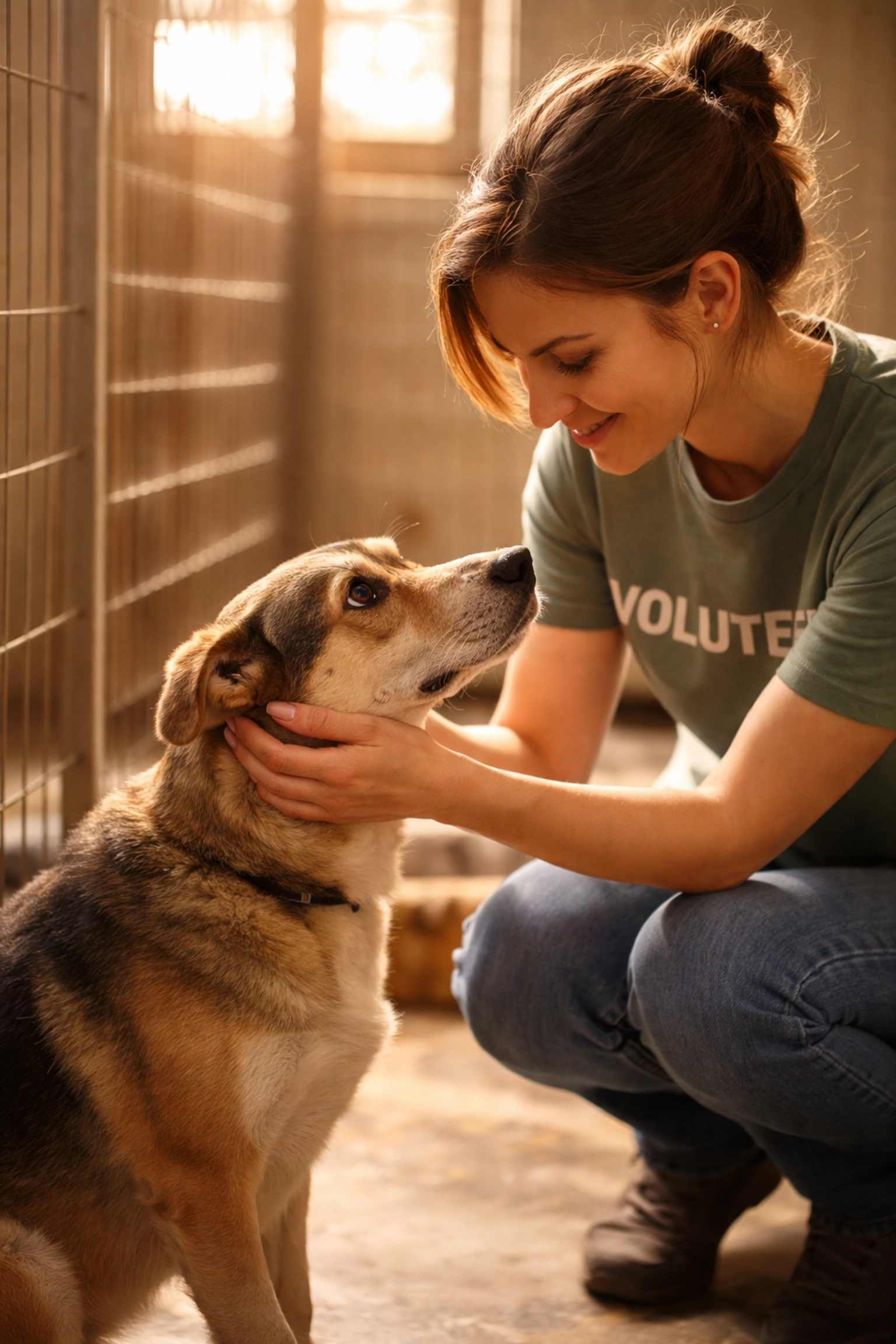
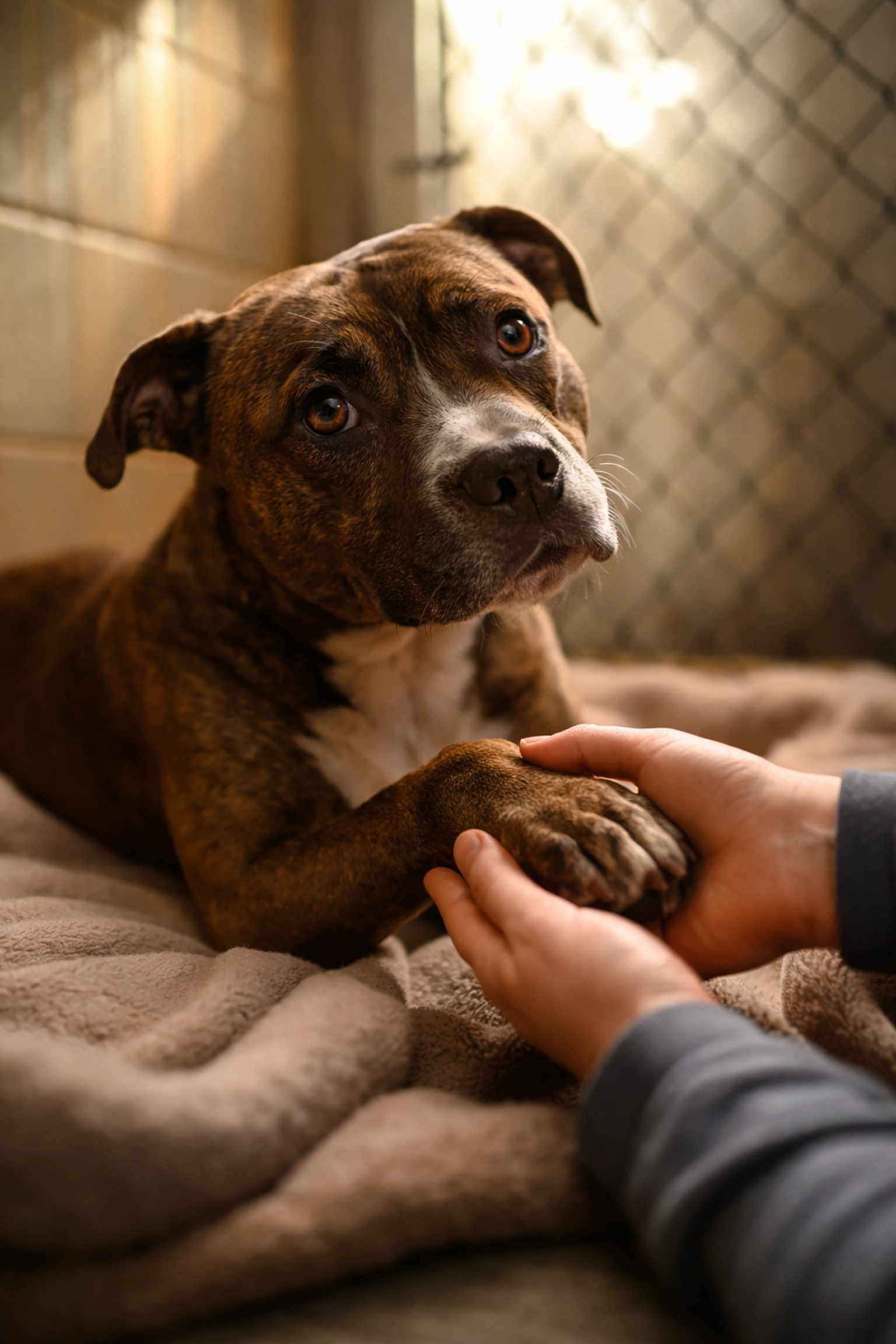
You're giving a scared dog the gentle attention they need to trust humans again. You're helping an overlooked senior pup get their daily exercise. You're freeing up staff to focus on medical care, rescues, and adoptions.
Every hour you give matters. Every single one.
Step One: Find the Right Shelter for You
Not all shelters are the same, and that's a good thing.
Some focus on dogs. Some focus on cats. Some are open-admission facilities that take in every animal that comes through the door. Others, like sanctuaries, provide long-term care for animals who may never be adopted.
Start by researching shelters and rescues in your area. Check their websites for volunteer information. Look at their mission statement. See if their values align with yours.
A few questions to ask yourself:
Do I want to work primarily with dogs, cats, or both?
Am I looking for a high-energy environment or something quieter?
How far am I willing to travel?
What kind of time commitment can I realistically make?
Once you find a place that feels right, reach out. Most shelters have a volunteer coordinator who can answer your questions and point you in the right direction.
Step Two: Understand the Requirements
Before you start cuddling puppies, there are a few boxes to check.
Age requirements: Most shelters require volunteers to be at least 16 years old. If you're under 18, you'll likely need parental consent. Some shelters offer family volunteer programs for younger kids accompanied by adults.
Background checks: Depending on the role, you may need to complete a background check, especially if you'll be fostering animals or handling sensitive information.
Time commitment: Many shelters ask for a minimum commitment, such as two hours per week for six months. This consistency is important, it helps the animals (and staff) build trust with you. That said, some organizations are more flexible, so don't be afraid to ask.
Health considerations: You'll probably need to sign health-related waivers, including tetanus and rabies acknowledgments. If you have pets at home, it's a good idea to let your vet know you're volunteering at a shelter.

Step Three: Complete the Application and Orientation
Once you've found your shelter and confirmed you meet the requirements, it's time to apply.
Most shelters have a simple volunteer application, either online or available at the front desk. Fill it out completely and honestly. This helps the team match you with the right role.
After your application is approved, you'll attend an orientation session. This is where you'll learn:
The shelter's mission and values
Safety procedures and protocols
How the volunteer program works
A tour of the facility
Pro tip: Show up on time. Many orientations won't admit latecomers, and you don't want to wait for the next session.
If your role involves working directly with animals, you'll also receive hands-on training. Experienced staff or volunteers will teach you proper handling techniques, positive reinforcement methods, and how to read animal body language.
Don't skip this part. It's designed to keep you and the animals safe.
What Volunteer Roles Are Available?
Here's the exciting part, there are so many ways to help.
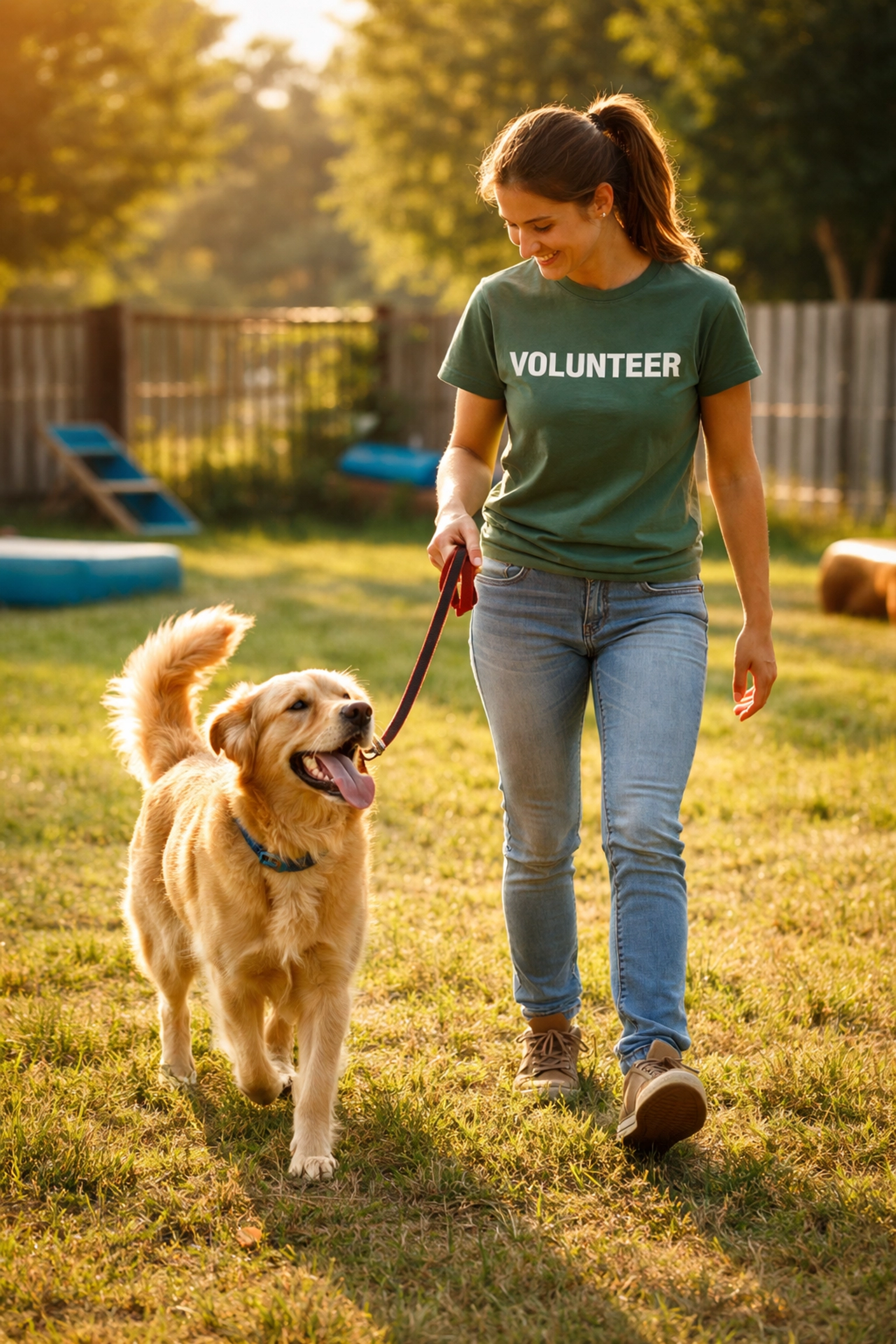
Dog walking and exercise: This is one of the most popular roles. You'll take dogs out for walks, play sessions, and potty breaks. It's great exercise for you and them.
Cat socialization: Shelter cats need love too. Socializing involves spending time with cats, petting them, playing with toys, and helping them feel comfortable around people.
Animal care: Feeding, grooming, cleaning kennels, and providing general TLC. These tasks keep the shelter running smoothly.
Event support: Love being around people? Help out at adoption events, fundraisers, and community outreach programs.
Administrative work: Not everyone wants to work directly with animals, and that's okay. Shelters also need help with paperwork, answering phones, managing social media, and responding to inquiries.
Fostering: This is a bigger commitment, but it's incredibly impactful. Foster volunteers temporarily care for animals in their homes, giving them a break from the shelter environment and preparing them for adoption.
Not sure where you'd fit best? Talk to the volunteer coordinator. They'll help you find a role that matches your skills, interests, and availability.
What to Expect on Your First Day
Okay, you've done the orientation. You've completed your training. Now it's time to show up for your first real shift.
Here's what to keep in mind:
Sign in and out. Most shelters track volunteer hours: it helps them with grant applications and reporting. Make it a habit to log your time every visit.
Wear your badge. You'll likely receive a volunteer ID or badge. Wear it visibly so staff and visitors know who you are.
Dress appropriately. Closed-toe shoes are a must. Wear clothes you don't mind getting dirty: think old jeans and a t-shirt. Some shelters provide aprons or require you to wear a shelter-branded shirt.
Keep your volunteer clothes separate. If you have pets at home, change before interacting with them. This helps prevent the spread of any germs or parasites.
Ask questions. Seriously. No one expects you to know everything on day one. If you're unsure about something, ask. Staff and experienced volunteers are there to help.
Tips for Long-Term Success
Volunteering isn't just about showing up once. It's about building a relationship: with the shelter, the staff, and the animals.
Here's how to make the most of your experience:
Be consistent. Animals thrive on routine. The more regularly you show up, the more trust you'll build: with both the animals and the team.
Communicate. If you need to miss a shift, let someone know. Life happens, and that's okay. Just don't ghost.
Follow the rules. Safety guidelines exist for a reason. Always use proper handling techniques and follow shelter protocols.
Stay emotionally prepared. Some days will be hard. You might meet animals with heartbreaking stories. You might see outcomes that upset you. But remember: your presence makes a difference. Even on the tough days.
Celebrate the wins. When a dog you've been walking gets adopted? That's a win. When a shy cat finally lets you pet them? That's a win. Soak in those moments.
Ready to Take the First Step?
Volunteering at an animal shelter isn't just good for the animals. It's good for you.
It's a chance to connect with your community. To learn new skills. To step away from screens and spend time with creatures who just want to be loved.
And honestly? There's nothing quite like the feeling of a wagging tail greeting you at the kennel door.
If you're in our area and want to volunteer with us at Their Best Life Dog Sanctuary, we'd love to have you. Head over to our Take Action page to learn more about how you can get involved.
Every dog deserves their best life. And with your help, we can make that happen( one wagging tail at a time.)
Comments