


How to Foster a Dog for the First Time (Easy 5-Step Guide)

So you're thinking about fostering a dog. Maybe you've scrolled past one too many sad puppy faces online. Maybe you've got a little extra room in your home... and a lot of extra love in your heart.
Whatever brought you here, we're so glad you came.
Fostering saves lives. It's that simple. When you open your home to a dog in need, you're giving them a safe place to heal, learn, and prepare for their forever family. You're also freeing up space at the sanctuary so we can rescue another pup who desperately needs help.
But we get it. If you've never done it before, fostering can feel a little overwhelming. What do you need? What should you expect? Will you be able to handle it?
Take a deep breath. You've got this.
Here's your easy 5-step guide to fostering a dog for the first time: no experience necessary.
Step 1: Get Approved and Prepare Your Home
Before you bring home your new foster buddy, there's a little bit of groundwork to cover.
Most rescues and sanctuaries (including Their Best Life Dog Sanctuary) have an approval process. Don't worry: it's not complicated. We just want to make sure it's a good fit for everyone involved... especially the dog.
Here's what we typically look for:
Your current pets are up to date on vaccinations
Your household is safe and welcoming for a dog
You have access to a trusted veterinarian
You're committed to providing basic care and lots of love
Once you're approved, it's time to dog-proof your home. Think of it like baby-proofing, but for a curious four-legged friend.
Remove anything hazardous: toxic plants, small objects they could chew, loose cords, and chemicals within reach. Secure your trash cans. Pick up those shoes you love (trust us on this one).
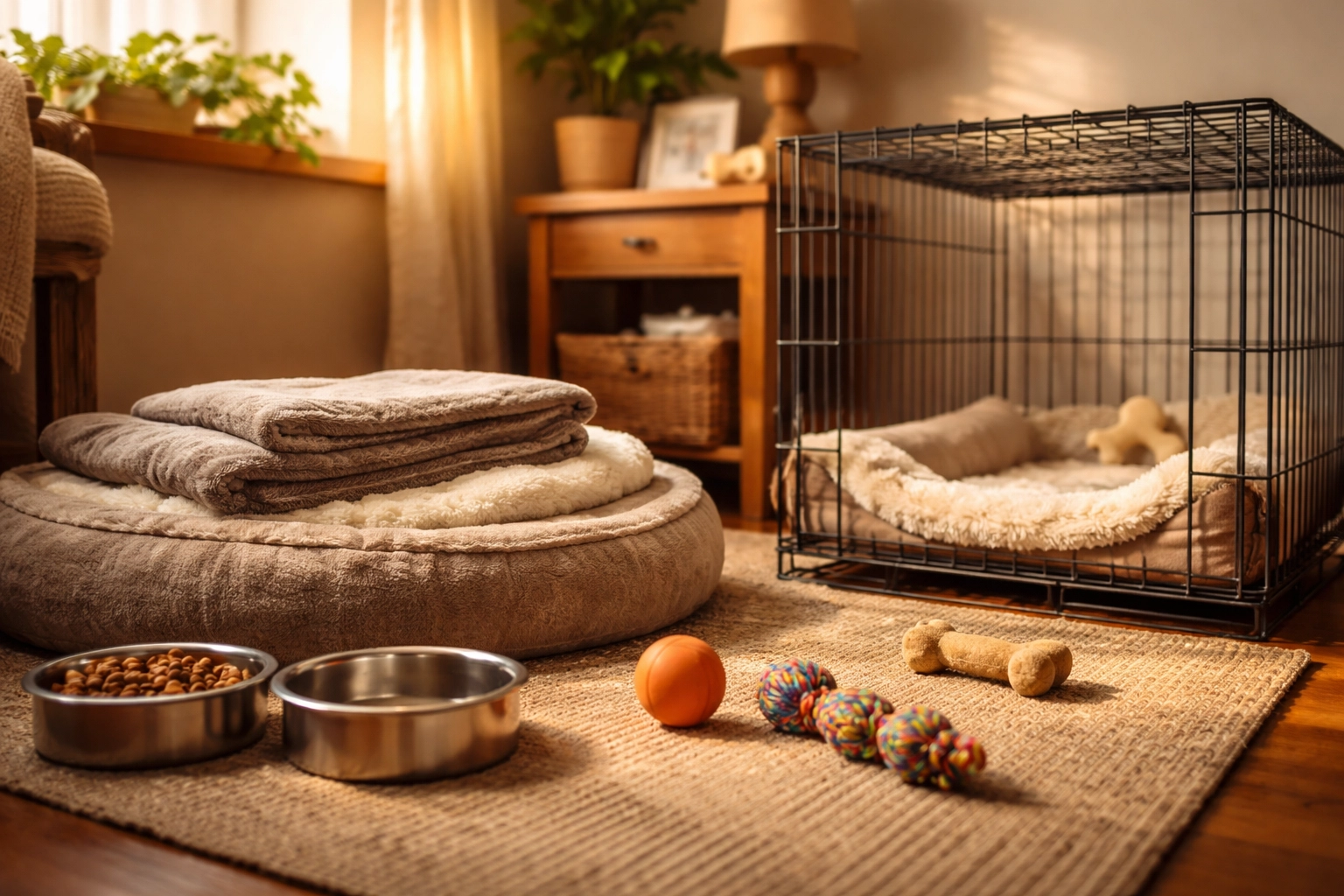
Gather your supplies:
Food and water bowls
Quality dog food (we'll let you know what your foster dog has been eating)
A crate that's big enough for them to stand and turn around in
Soft bedding: towels and blankets work great
Leash and collar
A few toys
Basic grooming supplies
You don't need to go overboard. Simple is perfect. The most important thing you're providing? A calm, safe environment where a scared pup can finally relax.
Step 2: Create a Safe Space for Adjustment
Here's something important to remember: your foster dog doesn't know you yet.
They've likely been through a lot. Maybe they were abandoned. Maybe they lived on the streets. Maybe they lost their family through no fault of their own. Either way... they're probably a little confused and scared right now.
That's why we recommend starting small.
Instead of giving your foster dog the run of the entire house on day one, set up a designated safe space for them. This could be a spare bedroom, a bathroom, or even a quiet corner of your living room blocked off with a baby gate.
In their safe space, include:
Their crate (door open, so it feels like a cozy den: not a cage)
Food and water dishes
Comfortable bedding
A toy or two
This containment isn't punishment. It's kindness. Dogs feel more secure when they can get their bearings in a smaller area first. Too much freedom too fast can actually increase anxiety.
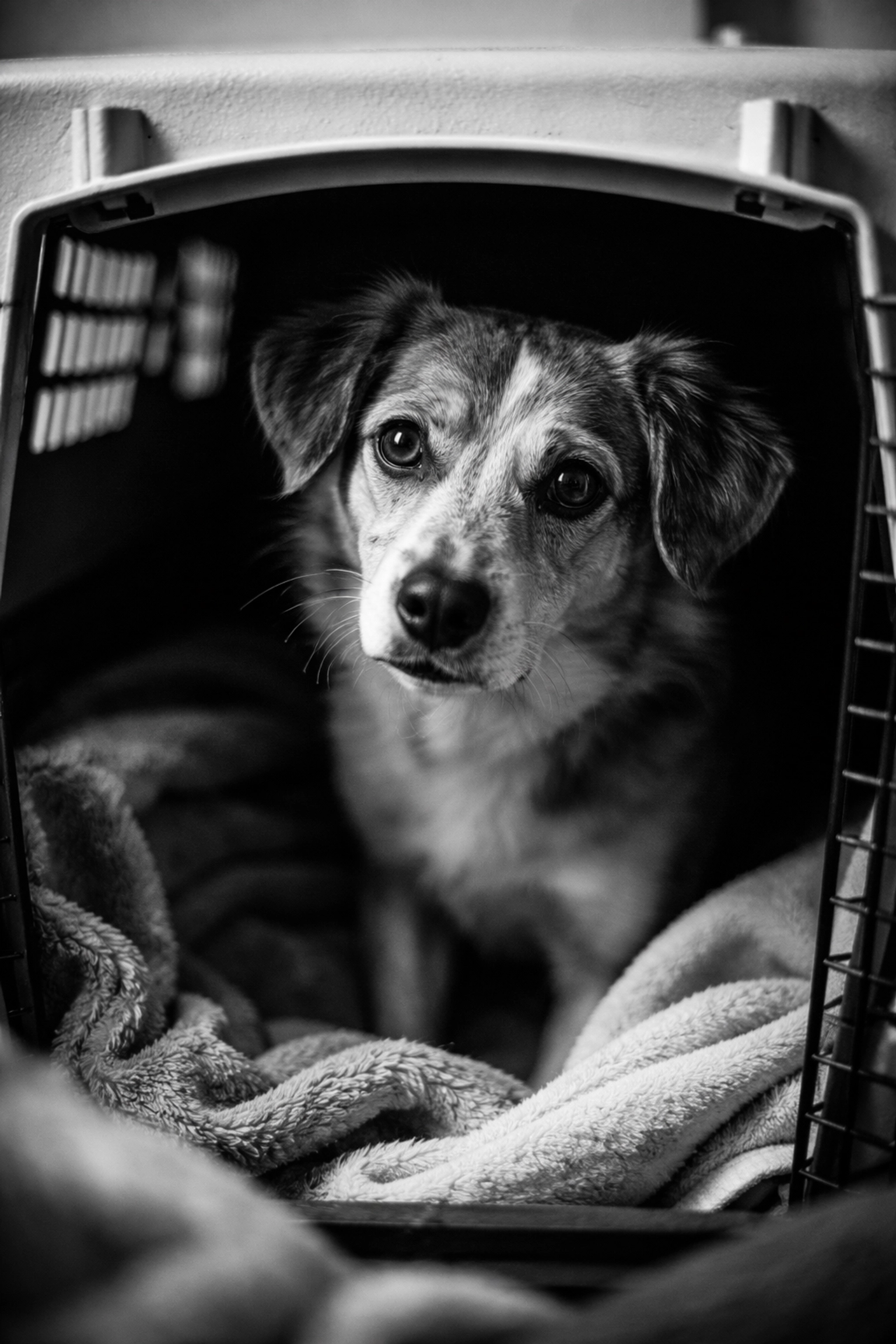
Let them explore at their own pace. Sit nearby and talk to them softly. Let them come to you. Some dogs warm up in hours. Others take days or even weeks. Both are completely normal.
Patience is your superpower here.
Step 3: Establish Rules and Routine During the First 72 Hours
The first three days are crucial. This is when your foster dog is figuring out their new world... and whether they can trust you.
Here's the golden rule: be consistent.
Dogs thrive on routine. It makes them feel safe. When they know what to expect, their stress levels drop and their true personality starts to shine through.
Set a daily schedule that includes:
Regular feeding times (usually twice a day for adult dogs)
Potty breaks every 2-3 hours
Short walks or outdoor time
Quiet rest periods
A little play and bonding time
When it comes to housetraining, take your foster dog outside on a leash frequently: especially first thing in the morning, after meals, and before bed. Choose a designated bathroom spot. When they go, celebrate! Praise them. Give them a treat. Make it a party.
Accidents will happen. That's okay. Clean them up without drama and keep moving forward.
During these early days, keep your foster dog tethered to you or a piece of heavy furniture when they're not in their crate. This helps you monitor them, prevents accidents, and starts building that bond between you.
And remember... this dog is scared. They don't know the rules yet. They don't know you won't hurt them. Be gentle. Be patient. Be the calm presence they desperately need.
Step 4: Work on Training and Socialization
Once your foster dog starts settling in, you can begin working on some basic training. This is actually one of the most rewarding parts of fostering!
Every skill you teach them makes them more adoptable. You're literally setting them up for success in their forever home.
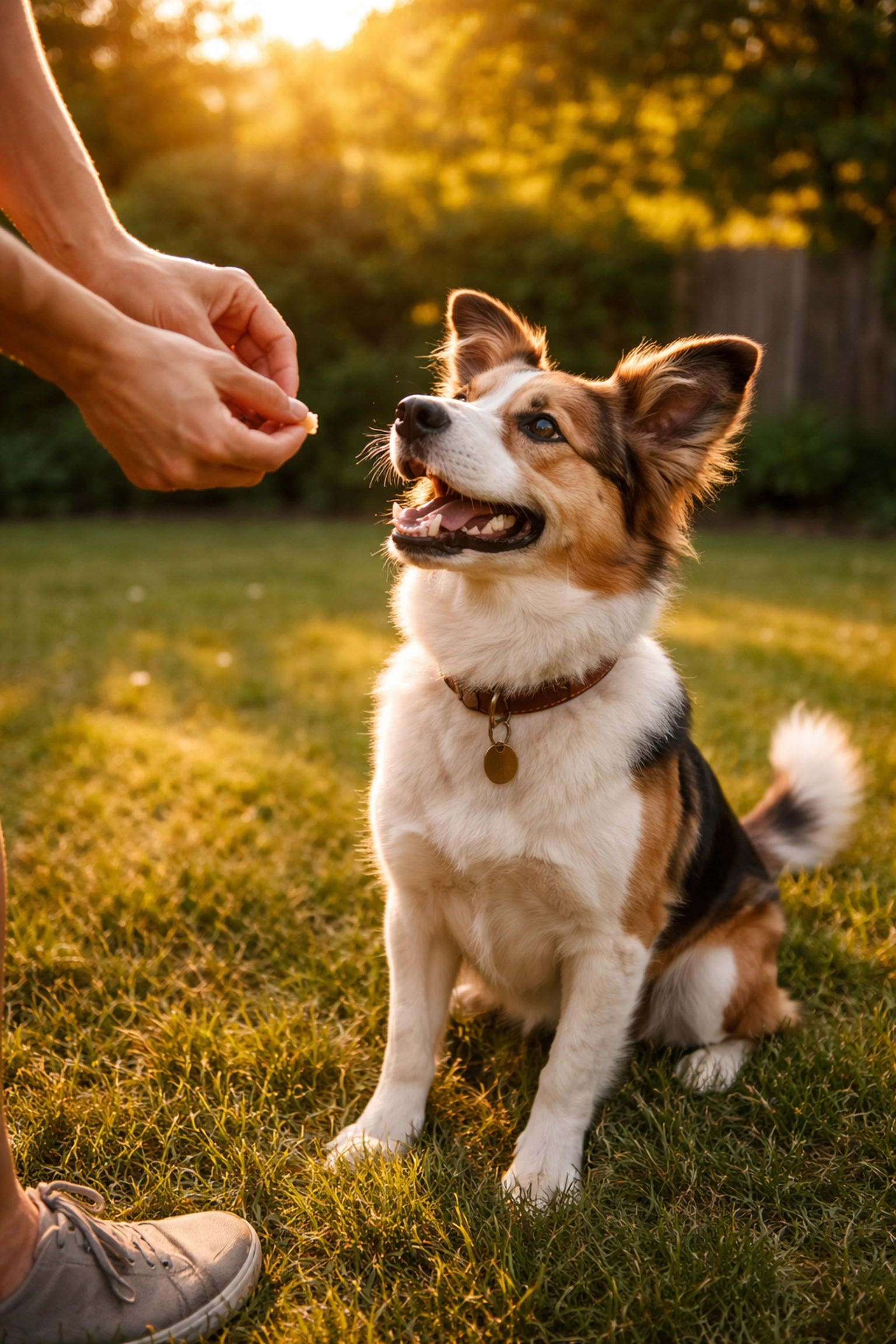
Focus on the basics using positive reinforcement:
Sit
Come
Stay
Walking nicely on a leash
Crate training
Reward good behavior with treats, praise, and affection. Ignore or redirect unwanted behavior. Never punish or yell: it only damages trust.
What about other pets?
If you have dogs or cats at home, introductions need to happen slowly and carefully.
Ideally, introduce dogs on neutral territory first: like a park or quiet street: both on leashes. Keep things calm and positive. Let them sniff and get acquainted without forcing interaction.
Once home, keep them separated at first. Use baby gates. Supervise all interactions. Watch body language closely.
It can take a couple of weeks for everyone to adjust. That's normal. Don't rush it.
The same goes for human visitors. Your foster dog doesn't need to meet everyone in your life right away. Give them time to decompress before introducing new people.
Step 5: Monitor Health and Support Adoption
As a foster parent, you're the eyes and ears on the ground. Your observations help us understand each dog's personality, quirks, and needs: information that's invaluable when matching them with their perfect family.
Keep notes on:
Eating and drinking habits
Energy levels and activity preferences
How they interact with people, other animals, and new situations
Any health concerns (limping, scratching, changes in behavior)
Training progress
Stay in regular communication with the rescue team. We're here to support you every step of the way. If something feels off, reach out. You're not alone in this.

Now for the fun part: helping your foster dog find their forever home!
Share photos and videos on social media. Tell their story. Highlight their personality. That goofy way they sleep upside down? The way they greet you at the door? The adorable head tilt? Share it all.
You never know who's scrolling... looking for exactly this dog.
Your posts could be the reason a family falls in love.
You Can Do This
Fostering isn't always easy. You might lose sleep. You might get frustrated. You might cry when they leave for their forever home.
But here's what we know for sure: you will change a life.
And honestly? They'll probably change yours too.
Every foster dog that finds a family because of you is one more life saved. One more space opened at the sanctuary. One more chance for another pup waiting for their turn.
Will you consider helping out?
Learn more about fostering with Their Best Life Dog Sanctuary and take the first step today. Together, we can give these dogs the second chance they deserve.
Because every dog deserves their best life. 🐾
Comments