


Does 'Length of Stay' Really Matter? Why Every Extra Day Changes How You Adopt a Rescue Dog

When you walk through the doors of a dog sanctuary, your eyes probably dart from one wagging tail to the next. You see the wiggly puppies, the sleek young adults, and the quiet seniors. But there is a number you don’t see, a number that hangs invisibly over every kennel like a ticking clock.
In the rescue world, we call it Length of Stay (LOS).
It’s a simple metric: the number of days a dog has been waiting for you. But for the dog, that number isn't just a calendar entry. It’s a weight. It’s a story. And often, it’s a barrier that keeps them from finding the home they deserve.
You might wonder, “If that dog has been there for six months, is there something wrong with him?”
The honest answer? Probably not. In fact, that dog might be the most loyal, loving companion you’ll ever meet. But every extra day they wait changes the way they present themselves to the world.
Let’s talk about why that number matters, and why you should look right past it.
The Invisible Clock: What LOS Actually Means
At Their Best Life Dog Sanctuary, we see LOS as more than just data. It’s the measure of a dog’s resilience.
Statistically, puppies and small "lapdog" breeds have the shortest LOS. They fly out the door in as little as 13 to 23 days. They’re the "easy" picks. But for adult dogs, especially medium-to-large breeds or those with a little "gray on the muzzle," that stay can stretch to 42 days, 100 days, or even a year.

Does a longer stay mean the dog is "broken"? Absolutely not.
Often, a long LOS is simply a result of bad luck. Maybe they were part of a litter and were the shyest one. Maybe they are a breed that people have unfair misconceptions about. Or maybe they just haven't had that "spark" moment with a visitor yet.
But here’s the catch: the longer they wait, the harder it becomes to show you who they really are.
The "Kennel Stress" Loop: Why Good Dogs Act Out
Imagine living in a room the size of a walk-in closet. It’s loud. There are strangers passing by all day. You don’t know when you’ll get to go outside.
After a few weeks, you’d probably get a little frustrated, right?
This is what we call kennel deterioration. When a dog has a high LOS, the chronic stress of the sanctuary environment starts to take a toll. You might see behaviors that aren't part of their true personality:
The "Leash Grabber": A dog who is so excited to finally leave their kennel that they jump and mouth the leash. To you, it looks like they’re "out of control." To them, they’re just desperate for a walk.
The "Wall Leaner": Some dogs shut down. They sit at the back of the kennel and stare at the wall. They’ve stopped trying to get your attention because they’ve been passed over so many times.
The "Barrier Barker": They might bark or lunge at the bars when you walk by. It’s not aggression; it’s frustration. They want to reach you, but the bars are in the way.
Research shows that dogs who display these behaviors wait even longer to be adopted, creating a heartbreaking cycle. They act out because they’ve been there too long, and because they act out, people leave them there even longer.
Breaking the Cycle: The Sanctuary Difference
At Their Best Life Dog Sanctuary, we don't believe in "expiry dates." We are a 501(c)(3) dedicated to what we do: providing a safe haven for every dog, regardless of how long it takes.
We know that a long-stay dog just needs a different approach. We focus on:
Decompression: Giving dogs quiet time away from the noise.
Outdoor Play: Supervised group play to let them be dogs again.
One-on-One Training: Helping them learn those "adoptable" behaviors like sitting for a treat or walking on a loose leash.
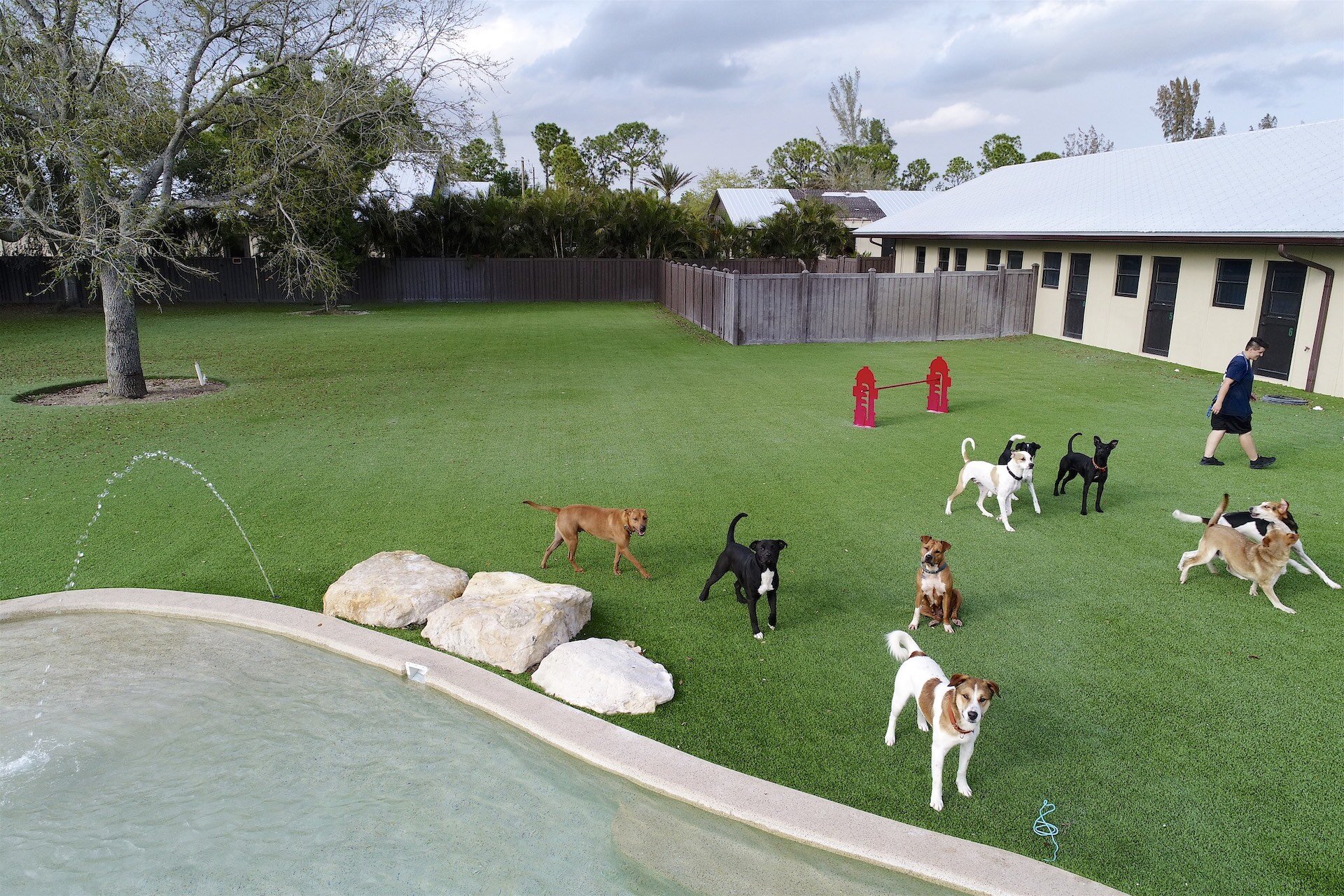
When you see a dog running in the grass with our volunteers, you aren't seeing a "shelter dog." You’re seeing a family pet waiting for a home. The transformation is incredible, but it requires resources. Every day a dog stays with us, we provide food, medical care, and enrichment.
Will you consider helping us sustain these long-term residents? You can make a difference here.
Why the "Long-Stayer" Might Be Your Best Match
If you’re looking to adopt, there is a secret the rescue community knows: The long-stay dogs are often the best companions.
Why? Because once they finally get out of that kennel and into your home, their gratitude is palpable. They don’t take the couch for granted. They don’t take the quiet for granted.
When you adopt a dog with a high LOS, you are literally saving a life twice. You're saving them from the sanctuary, and you’re opening up a spot for the next dog in need.
The "Diamond in the Rough" Checklist
When you visit us, keep these things in mind about our long-term residents:
They know us best: Our staff and volunteers can tell you exactly what that dog is like when the "kennel mask" comes off.
They are often house-trained: Many of our adult long-stayers have lived in homes before and already know the ropes.
They are loyal beyond measure: There is a special bond that forms with a dog who has waited a long time for "their person."

How You Can Change the Math
You don’t have to adopt to help a dog with a long LOS. There are so many ways to help us shorten the wait for these amazing animals.
1. Fostering (The Ultimate Lifesaver)
Fostering is the best way to reduce a dog's LOS. It gets them out of the stressful sanctuary environment and into a home where they can relax. A relaxed dog is an adoptable dog! If you’ve never done it before, check out our beginner's guide to fostering.
2. The "Foster-to-Adopt" Option
Not sure if a long-stay dog is right for you? Ask us about fostering-to-adopt. You can take the dog home for a "trial run" to see how they settle in without the pressure of an immediate commitment.
3. Sharing Their Story
Sometimes, all it takes is one Facebook share. A photo of a dog like Cyril Pluche sitting quietly in a home-like setting can reach the perfect person who just hasn't visited the sanctuary yet.
The 3-3-3 Rule: Giving Them Time to Breathe
When you finally do bring home a long-stay dog, remember that they’ve been through a lot. They need time to shed the "sanctuary skin" and find their true selves again.
We always recommend following the 3-3-3 Rule:
3 Days: To decompress and realize they are safe.
3 Weeks: To learn your routine and start showing their personality.
3 Months: To fully bond and feel "at home."
For a dog who has been with us for a long time, these milestones might take a little longer, and that’s okay. You can read more about how the 3-3-3 rule works here.
Your Turn to Make a Difference
At Their Best Life Dog Sanctuary, we believe that every dog, no matter their age, breed, or how many days they’ve spent in a kennel, deserves a chance at a better life.
The "Length of Stay" is just a number. It doesn't define who they are. It only defines how long they’ve been waiting for you.
Are you ready to meet your new best friend?
Fill out our adoption questionnaire today and let us help you find the "underdog" of your dreams.
Donate now to help us provide medical care and training for our long-term residents.
Volunteer your time to walk a dog who has been waiting a little too long.
Together, we can ensure that every dog lives... well, their best life.
Comments