


7 Mistakes You're Making with Your Pet's Microchip

It’s the phone call every pet parent dreads, or the moment of silence that feels like an eternity: you look out into the yard, and your best friend is gone. Maybe a gate blew open in a storm, or perhaps a squirrel was just too tempting to ignore. In those frantic moments, your heart sinks, but then you remember: it’s okay, they’re microchipped.
At Their Best Life Dog Sanctuary, we see the other side of this story every single day. We see the relief when a stray dog arrives and a quick scan reveals a chip. But we also see the heartbreak when that scan leads to a disconnected phone number or an unregistered ID.
Microchips are tiny miracles of technology, no bigger than a grain of rice, but they aren’t magic. They require a little bit of upkeep from us humans to work correctly. If you’ve been "setting and forgetting" your pet’s microchip, you might be making one of these seven common mistakes. Let’s make sure your pup’s ticket home is actually valid.
1. Thinking the Microchip is a GPS Tracker
This is perhaps the most common misconception we hear. Many loving owners breathe a sigh of relief thinking they can "track" their dog on an app if they go missing. Unfortunately, a microchip is not a GPS. It doesn't have a battery, and it doesn't transmit a signal to a satellite.
A microchip is a Radio Frequency Identification (RFID) device. It’s essentially a permanent ID tag that sits under the skin. It only "wakes up" when a scanner is passed over it. If your dog gets lost, someone has to find them and take them to a vet or a shelter to be scanned.
If you’re looking for real-time tracking, you’ll need a separate GPS collar. But remember, collars can fall off or be removed: the microchip is the only thing that stays with your dog forever.

2. Forgetting to Register the Chip in the First Place
When your vet implants a chip, or when you bring home a new puppy from a breeder, you usually get a pile of paperwork. Somewhere in that folder is a form with a long string of numbers.
The biggest mistake you can make is putting that paperwork in a drawer and forgetting about it.
An unregistered microchip is just a piece of glass. If a shelter scans your dog and the chip isn't registered, the only thing the scanner shows is a manufacturer’s ID number. The shelter then has to call the manufacturer, who might only be able to tell them which vet clinic originally bought the chip. It’s a long, frustrating process that wastes precious time.
Take ten minutes today to ensure your pet's number is linked to your name and phone number in a national database.
3. Assuming the Registration is Automatic After Adoption
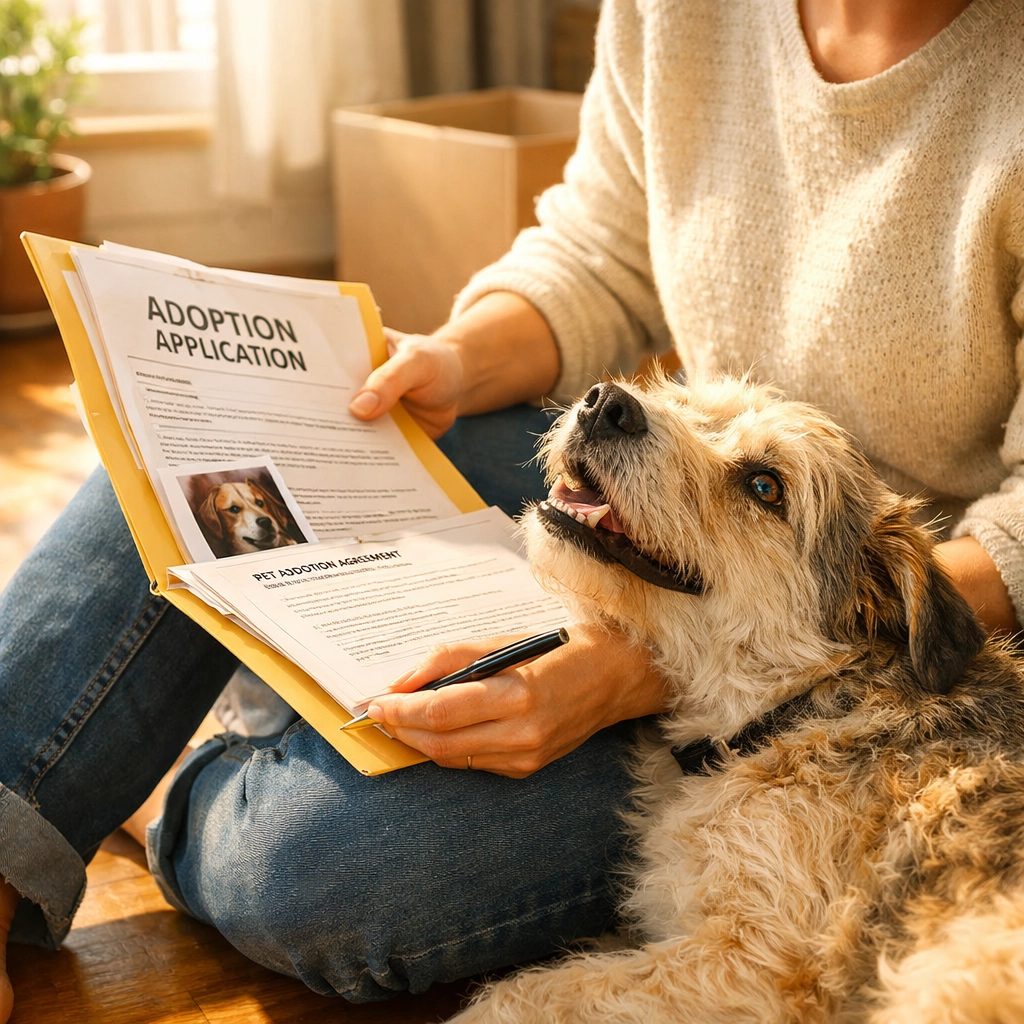
When you adopt a dog from a rescue like ours, or any local shelter, the dog is almost always already chipped. This is a wonderful thing! However, don't assume that the chip automatically transfers to your name the moment you sign the adoption papers.
Often, the chip remains registered to the rescue or the previous owner. While most rescues will keep their information on there as a safety net, you need to be the primary contact. If you’ve recently added a furry member to your family, check your adoption packet for microchip instructions.
If you're still in the process of finding your new best friend, you might want to check out our 15 questions to ask before you adopt or foster to make sure you're fully prepared for the administrative side of pet parenthood.
4. Failing to Update Your Info When You Move
Life happens. You get a new job, you move to a bigger house with a better yard, or you finally change that old cell phone number you've had since college. In the chaos of moving boxes and changing utilities, your pet’s microchip registry is usually the last thing on your mind.
Research shows that nearly one-third of lost pets have outdated information in their microchip registry. If you move, updating your pet's chip should be just as important as forwarding your mail. If a stray dog is found and the phone number on file is disconnected, it makes the reunion nearly impossible.
Pro-tip: Make it a habit to check your registry every year on your pet’s "Gotcha Day" or birthday. It only takes a second to confirm your details are still correct.
5. Not Having the Chip Scanned Regularly
You might think that once a chip is in, it stays exactly where it was placed. Most of the time, that's true! But occasionally, these tiny chips can "migrate." They can slide down toward the shoulder or chest area.
If a chip migrates too far, a person who is rushing through a scan might miss it. This is why it’s so important to ask your vet to scan your pet during their annual check-up.
By having it scanned once a year, you confirm two things:
The chip is still functioning correctly (though rare, they can occasionally fail).
The chip is still in a place where a shelter worker would easily find it.

6. Losing the Microchip Details and Records
Do you know your pet’s 15-digit microchip number off the top of your head? Probably not. If your pet goes missing, having that number ready can help you alert the registry and local shelters immediately.
Don't rely on a single piece of paper in a file cabinet.
Take a photo of the microchip ID card and save it in a "Pets" folder on your phone.
Keep a copy in your dog’s travel bag or "bug-out" kit.
Email the number to yourself so you can search for it in your inbox from anywhere.
Having this information ready allows you to act fast. If you ever find yourself on the other side of this situation: finding a dog instead of losing one: we have a handy guide on what to do in the first 24 hours of finding a stray dog that walks you through the scanning process.
7. Letting Just Anyone Implant the Chip
While microchipping is a standard and very safe procedure, it still involves a needle and a foreign object being placed under the skin. Using improper technique or placing the chip too deeply can cause discomfort or make the chip difficult to detect later on.
Always ensure the procedure is done by a licensed veterinarian or a trained professional at a reputable clinic or sanctuary. They know exactly where to place it (usually between the shoulder blades) to ensure it stays put and remains readable for years to come.
Why This Matters to Us
At Their Best Life Dog Sanctuary, we are passionate about keeping families together. We deal with the "unwanted, homeless, and abandoned" every day, but many of the dogs that end up in shelters aren't truly unwanted: they’re just lost.
The heartbreak of seeing a healthy, well-behaved dog sit in a kennel because we can't find their owners is something we want to prevent. When microchips work, they are the most powerful tool we have for rescue and reunification.
If you aren't in a position to adopt a dog right now, you can still help us save lives and educate the community. There are so many quick ways to help animal rescues near you, from donating towards scanning equipment to sharing educational posts like this one.
A Quick Checklist for You
Ready to be a microchip pro? Here is your "To-Do" list for this weekend:
Find your pet’s microchip number. (Call your vet if you don't have it).
Log into the registry website. (If you don't know which registry it is, use the AAHA Universal Pet Microchip Lookup tool online).
Verify your phone number and address.
Add a back-up contact. (A friend or relative who doesn't live with you).
Snap a photo of the ID number and save it to your phone.

Our mission is to ensure every dog lives their best life, and that life starts with being safe at home with the people who love them. Your pet’s microchip is their voice when they are lost: make sure it’s telling the right story.
Whether you are looking to volunteer at an animal shelter or you’re ready to start fostering a dog for the first time, understanding the "boring" administrative stuff like microchips is part of being a true hero for animals.
Together, we can make sure every lost tail finds its way home.
Comments