


How to Foster a Dog for the First Time (Easy Guide for Beginners)

Ever thought about opening your home to a dog in need, but weren't sure where to start?
You're in the right place.
Fostering a dog is one of the most rewarding ways to help animal rescues save more lives. It's a temporary commitment that creates a forever impact. And the best part? You don't need to be an expert. You just need to have a little room in your heart and your home.
If you've been searching "how to foster a dog" or "dog fostering near me," this guide will walk you through everything you need to know to get started: no experience required.
What Does It Mean to Foster a Dog?
Fostering means you provide a temporary home for a rescue dog while they wait for their permanent family to find them. It's like being a loving bridge between the shelter and a forever home.
Some dogs need fostering for just a few weeks. Others might stay a couple of months. Either way, you're giving them something priceless: safety, comfort, and a chance to learn what it feels like to be loved.
And here's the thing: every dog you foster opens up space for another dog to be rescued. You're not just helping one life. You're helping many.
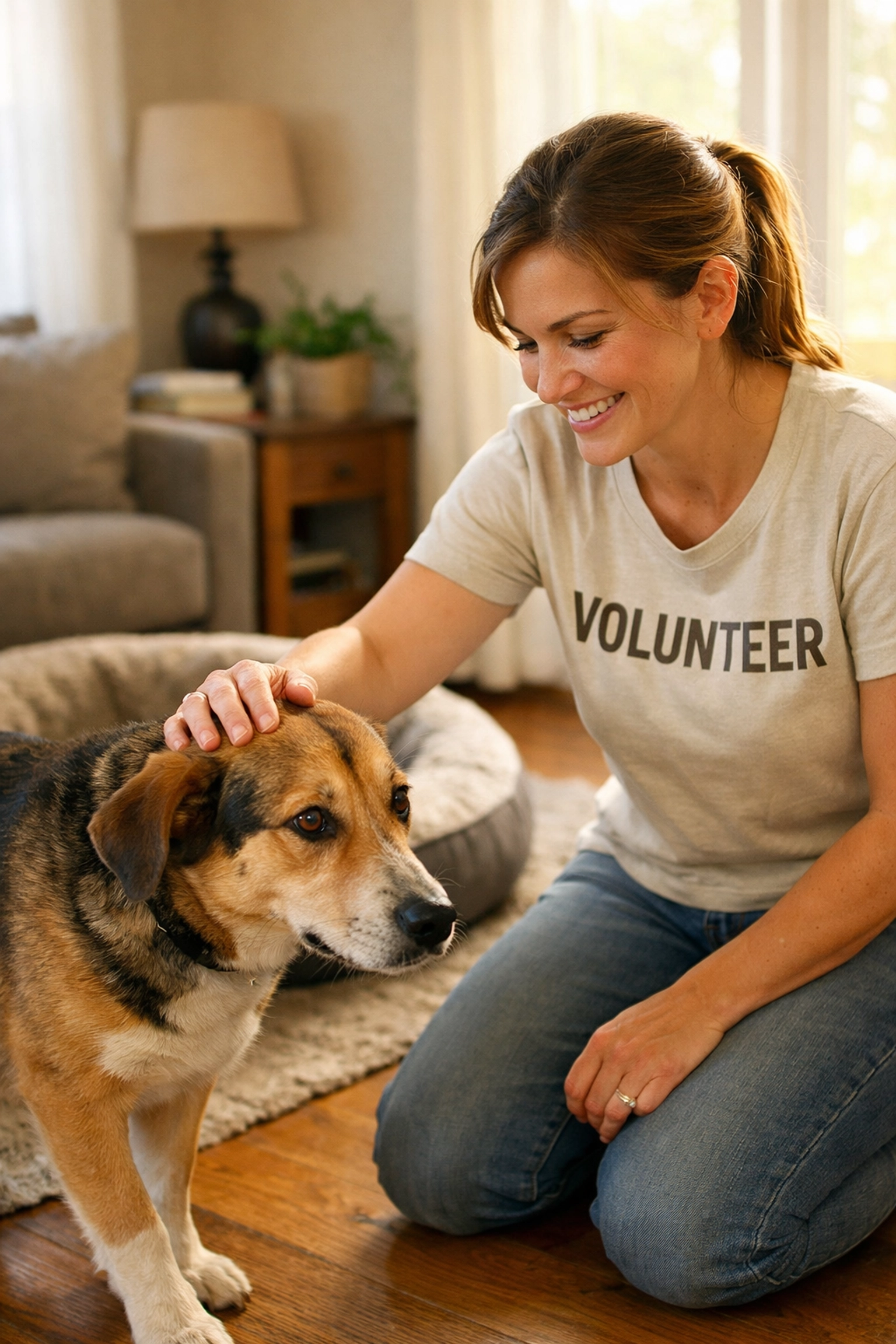
Step 1: Honestly Assess What You Can Handle
Before you dive in, take a moment to think about your lifestyle and limits. Fostering works best when it's a good fit for both you and the dog.
Ask yourself:
What size dog can you manage? A tiny Chihuahua has very different needs than a 70-pound Labrador. Be realistic about what you can physically handle and what fits your living space.
How much time do you have? Puppies and high-energy dogs need more attention than mellow seniors. If you work full-time, a calm adult dog might be a better match.
Do you have other pets? Some foster dogs do great with other animals. Others need to be the only pet. Be upfront about your household.
Can you commit short-term or long-term? If you're nervous about fostering, start small. A healthy adult dog for two to three weeks is a perfect first experience.
There's no wrong answer here. The goal is to find a fostering situation that works for you so you can show up as your best self for the dog.
Step 2: Find a Foster Organization (Like Us!)
Once you know what you're looking for, it's time to connect with a rescue that has an established foster program.
At Their Best Life Dog Sanctuary, we're always looking for compassionate people who want to foster a dog near me: or near you, wherever you are. Our mission is simple: give every dog their best life, and fostering is one of the most powerful ways to make that happen.
Here's what the process typically looks like:
Complete a foster application. You'll share info about your home, experience with dogs, and what kind of foster dog you're looking for.
Attend an orientation or training. We'll walk you through what to expect and answer all your questions.
Sign a foster agreement. This outlines expectations and ensures everyone's on the same page.
The application might feel a bit detailed, but it's not about being perfect. It's about finding the right match so both you and your foster pup can thrive.
Ready to start?Learn more about how you can help and take the first step toward becoming a foster parent.
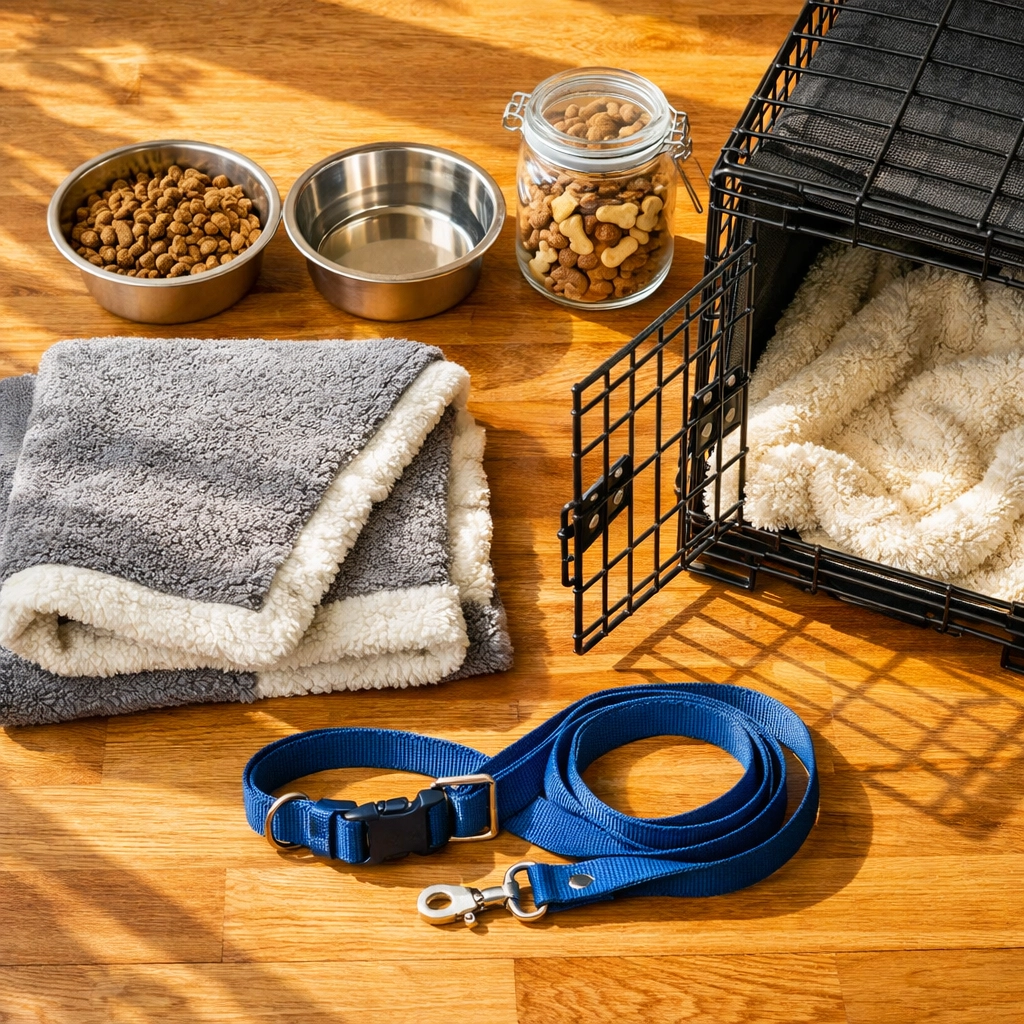
Step 3: Prepare Your Home Before Your Foster Dog Arrives
You don't need to go overboard, but a little prep goes a long way.
Here's what you'll want to have ready:
A safe, designated space. Pick a quiet room or area where your foster dog can decompress for the first few days. Think of it as their "base camp" while they adjust.
A crate. Make sure it's big enough for the dog to stand up, turn around, and lie down comfortably. Crates aren't cages: they're cozy dens that help dogs feel secure.
Food and water bowls. Stainless steel or ceramic work best. Check with the rescue about what food the dog has been eating so you can keep things consistent at first.
A collar, ID tag, and leash. Even though foster dogs are usually microchipped, an ID tag is essential in case they slip out the door.
A comfy place to sleep. Old towels or blankets work great. Save the fancy dog bed for later: foster dogs sometimes have accidents while they're adjusting.
Baby gates. These are lifesavers for controlling access to certain rooms and helping your foster dog ease into your home gradually.
Treats! For bonding, training, and making a great first impression.
One last thing: keep your foster dog indoors. Garages, backyards, and outdoor runs aren't safe or secure. Your foster pup needs to be inside with you.
Step 4: Bringing Your Foster Dog Home (The First Few Days Matter Most)
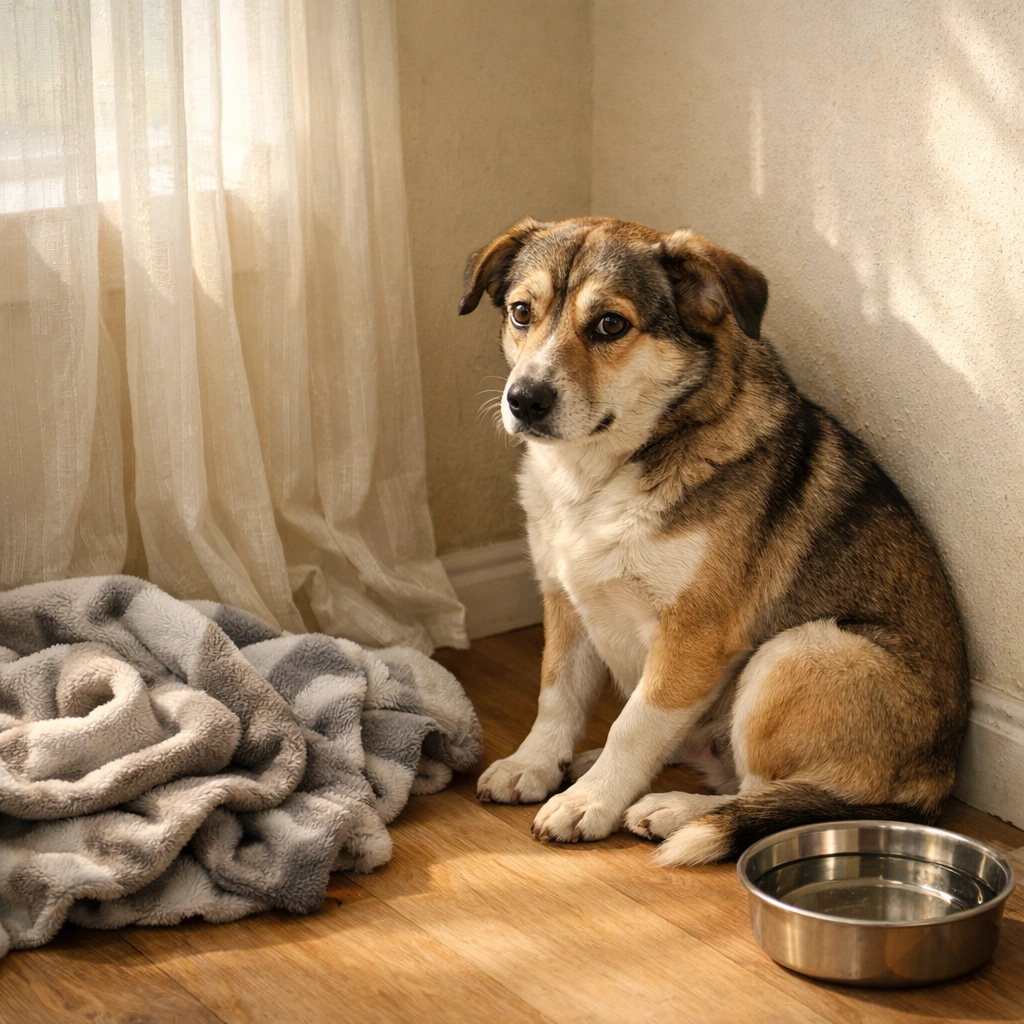
The first week is all about helping your foster dog settle in. It's normal for them to feel overwhelmed, scared, or unsure. Some dogs bounce back quickly. Others take a little longer. Both are okay.
When you first get home:
Let them explore their safe space at their own pace. Don't force affection or interaction. Give them time to sniff around and get comfortable.
Establish a routine immediately. Dogs thrive on predictability. Feed them at the same time each day. Take them out for potty breaks on a schedule. Consistency = comfort.
Keep things calm. Limit visitors, loud noises, and chaotic activity for the first few days. Your foster dog has been through a lot. They need a chance to decompress.
Remove hazards. Put away toxic plants, secure trash cans, and pick up anything small that could be swallowed. Better safe than sorry.
Remember: you're not trying to "fix" your foster dog overnight. You're simply giving them a safe place to land.
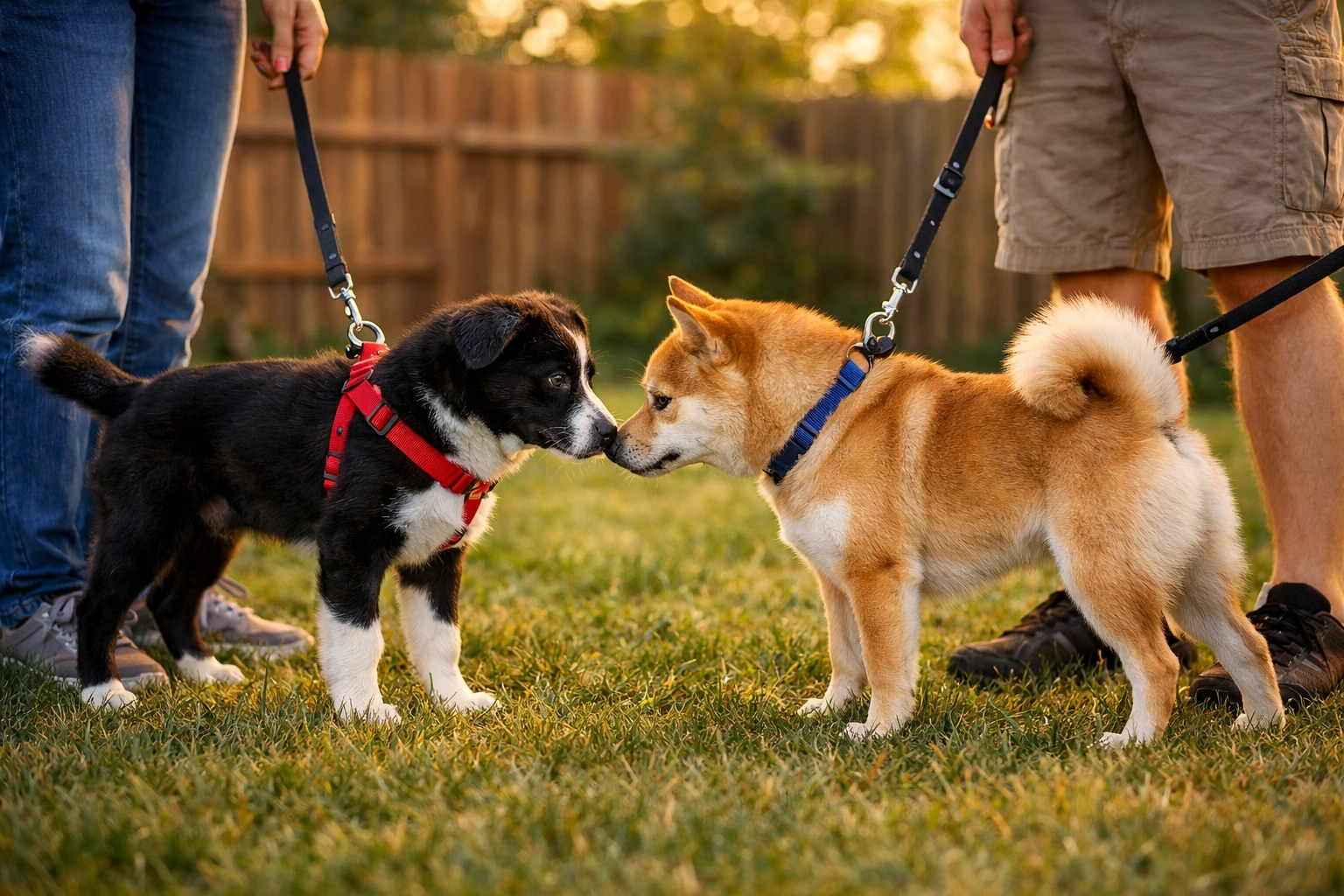
Step 5: Introducing Your Foster Dog to Your Existing Pets (Go Slow)
If you already have dogs or cats at home, take introductions seriously. Rushing this step can lead to stress, anxiety, or even fights.
For dogs: If possible, arrange a meet-and-greet in a neutral space like a park or large yard before bringing your foster dog home. Keep both dogs on leash and let them sniff each other calmly. Walk them together for a bit. Once inside, supervise all interactions closely until you're confident they're getting along.
For cats: Wait a week or two before introducing them face-to-face. When you do, keep your foster dog on a leash and let the cat approach at their own pace. Never force it. And don't leave them alone together until you're 100% sure it's safe.
Patience is everything here. Some dogs adjust quickly. Others need more time. Trust the process.
Step 6: Your Daily Responsibilities as a Foster Parent
So what does day-to-day fostering actually look like?
Your main job is simple: provide love, stability, and basic care.
That means:
Feeding and fresh water. Stick to the schedule and the food the rescue provides.
Potty breaks and exercise. Regular walks and bathroom breaks help your foster dog settle in and burn off energy.
Grooming and meds (if needed). Some foster dogs need baths, brushing, or medication. The rescue will guide you through it.
Training and socialization. Teach basic commands. Practice leash walking. Help your foster dog become more comfortable around people and new situations.
Lots of love. This is the most important one. Your foster dog is learning what it feels like to be safe and cared for. That's the real magic of fostering.
You're not expected to be a professional dog trainer. You're just giving a dog a soft place to land while they wait for their forever family.
You're Not Alone in This
Here's something really important: fostering doesn't mean you're on your own.
At Their Best Life Dog Sanctuary, we support our foster families every step of the way. We provide food, supplies, medical care, and guidance. If you have questions or concerns, we're just a phone call away.
You're part of a team. A community. A network of people who believe every dog deserves their best life.
And honestly? Fostering might just change your life as much as it changes theirs.
Ready to Foster a Dog Near Me? Let's Do This.
If you've made it this far, you're clearly someone who cares deeply about helping dogs in need. That's exactly the kind of person we're looking for.
Fostering isn't always easy, but it's always worth it. It's messy and beautiful and heartbreaking and hopeful all at once. And every single foster family makes a difference.
So here's the question: will you consider opening your home to a dog who desperately needs it?
We'd love to have you join our foster family. Get started here and let's save some lives together.
Because every dog deserves their best life. And you can help make that happen.
Comments