


7 Mistakes You're Making with Your New Rescue Dog (and How to Fix Them)

You did it. You brought home a rescue dog, and your heart is full.
But now? Things aren't going quite like you imagined. Maybe your new pup is having accidents indoors even though the shelter said they were housetrained. Or they're hiding under the bed instead of cuddling on the couch. Or they're chewing everything in sight.
Here's the truth: You're not doing anything wrong... but you might be making a few well-meaning mistakes that are making life harder for both of you.
The good news? These are super fixable. Let's walk through the seven most common mistakes new rescue dog owners make, and how to turn things around, fast.
Mistake #1: Giving Your Dog Total Freedom Right Away
You want your new rescue dog to feel at home immediately, so you let them roam the entire house. Every room. Full access. Freedom!
Sounds loving, right?
Actually, it's overwhelming. Dogs who've just been through the chaos of shelter life, transport, and a brand-new environment don't need unlimited options, they need structure and safety.
When rescue dogs for adoption get too much freedom too soon, they can become anxious, mark territory, or have accidents even if they were perfectly housetrained before.
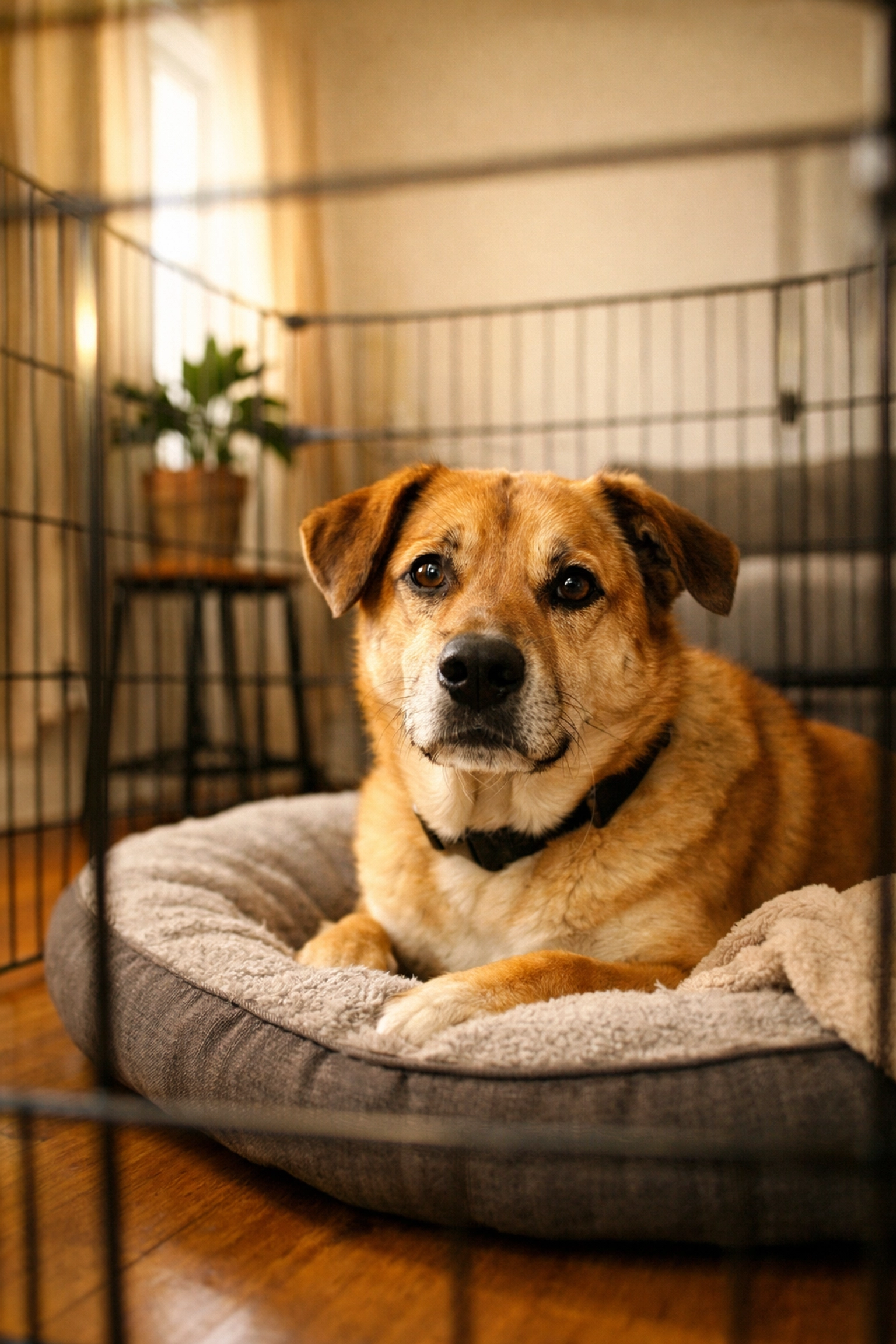
How to fix it: For the first few weeks, keep your dog in the same room as you. Use baby gates, a dog-proofed area, or a crate to create a manageable space where they can decompress. Once they're consistently following house rules in that area, gradually introduce one or two additional rooms at a time. Think of it like leveling up in a video game, earn access as you go.
Mistake #2: Smothering Them with Affection Too Fast
We get it. You're excited. You want to hug, kiss, snuggle, and show your new dog just how much you already love them.
But here's the thing: your dog doesn't know you yet. To them, you're still a stranger, a kind stranger, hopefully, but a stranger nonetheless.
Excessive physical affection early on can feel invasive to a dog who's still trying to figure out if they're safe. It can actually increase anxiety instead of soothing it.
How to fix it: Let your dog come to you. No pulling them close. No getting in their face. No forced cuddles. Sit on the floor, stay calm, and let them investigate you on their own terms. When they initiate contact, that's your green light to respond gently. Trust takes time... and that's okay.
Mistake #3: Expecting Perfection from Day One
You imagined your rescue dog would walk in the door, immediately love everyone, ace potty training, and behave like a seasoned pro.
Instead? They're scared, confused, or maybe even acting out.
Listen, your dog just had their whole world turned upside down. They don't know if this is permanent. They don't know the rules. They're processing a thousand new sights, sounds, and smells all at once.
Many rescue dogs go through what's called a "honeymoon period" where they're quiet and low-energy, not because that's their personality, but because they're overwhelmed.
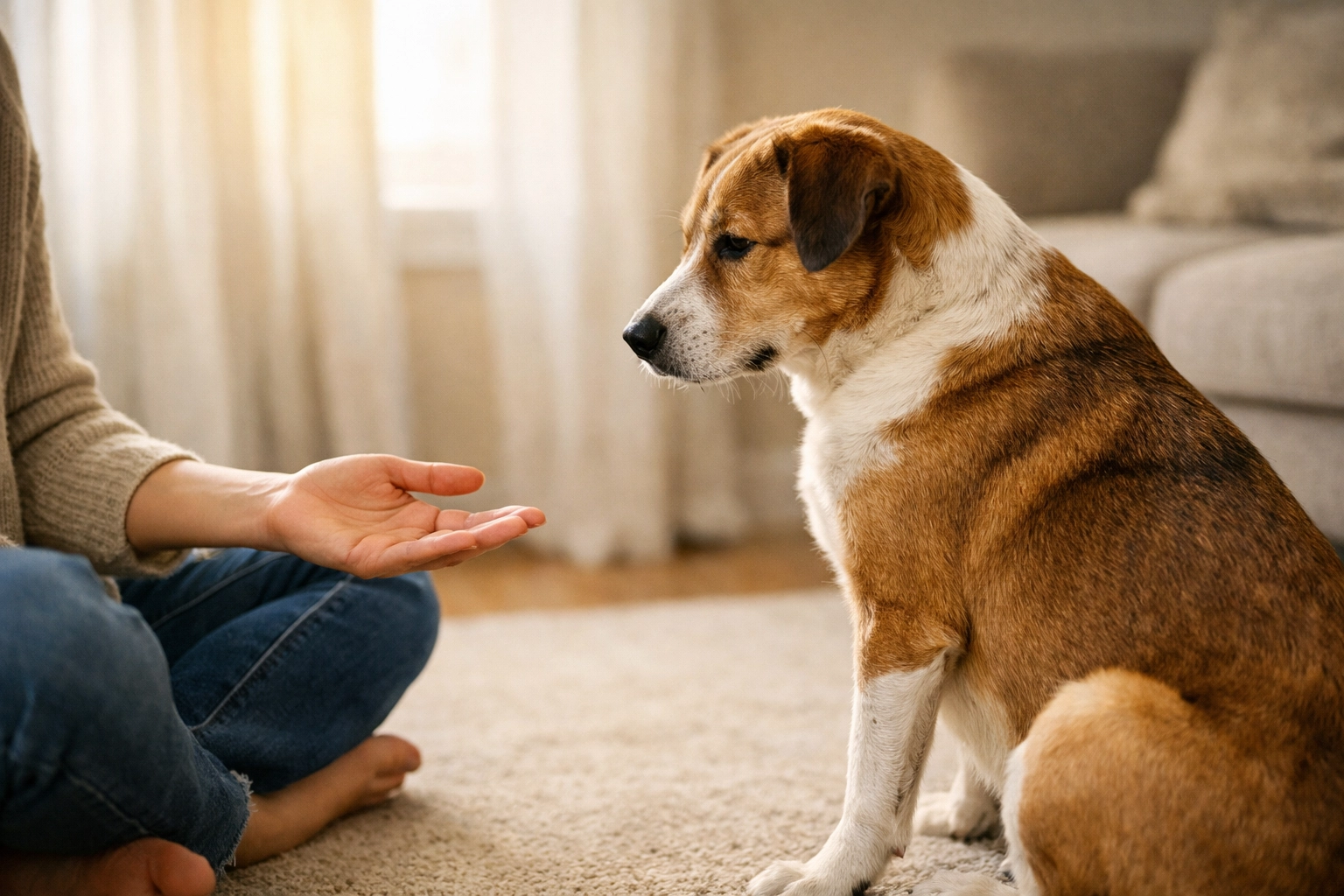
How to fix it: Give your dog a decompression period. That means no big expectations, no pressure to perform, and no judgment if they're not immediately perfect. It can take days, weeks, or even months for your dog's true personality to emerge. Be patient. You're building a relationship, not training a robot.
Mistake #4: Being Inconsistent with the Rules
One day you let your dog jump on the couch. The next day you scold them for it.
One person in the house allows begging at the dinner table. Another person doesn't.
Guess what? Your dog has no idea what you actually want from them.
Inconsistent rules don't just confuse dogs, they create anxiety and behavioral problems. When a dog doesn't know what's expected, they can't succeed... and neither can you.
How to fix it: Sit down with everyone in your household and agree on the house rules before your dog comes home (or right now, if they're already there). Can the dog be on furniture? Where do they sleep? What's the protocol for jumping, begging, or barking? Write it down if you have to. Then stick to it. Every. Single. Day.
Mistake #5: Skipping Daily Exercise Because They Seem Low-Energy
Your new rescue dog is sleeping a lot, so you figure they must not need much exercise.
Wrong.
Dogs who are adjusting to a new home often appear low-energy simply because they're stressed, processing change, or shutting down emotionally. That doesn't mean they don't need physical activity, in fact, regular exercise is one of the best ways to help them settle in.
A tired dog is a calmer dog. Exercise helps burn off nervous energy, reduces stress, and builds routine.
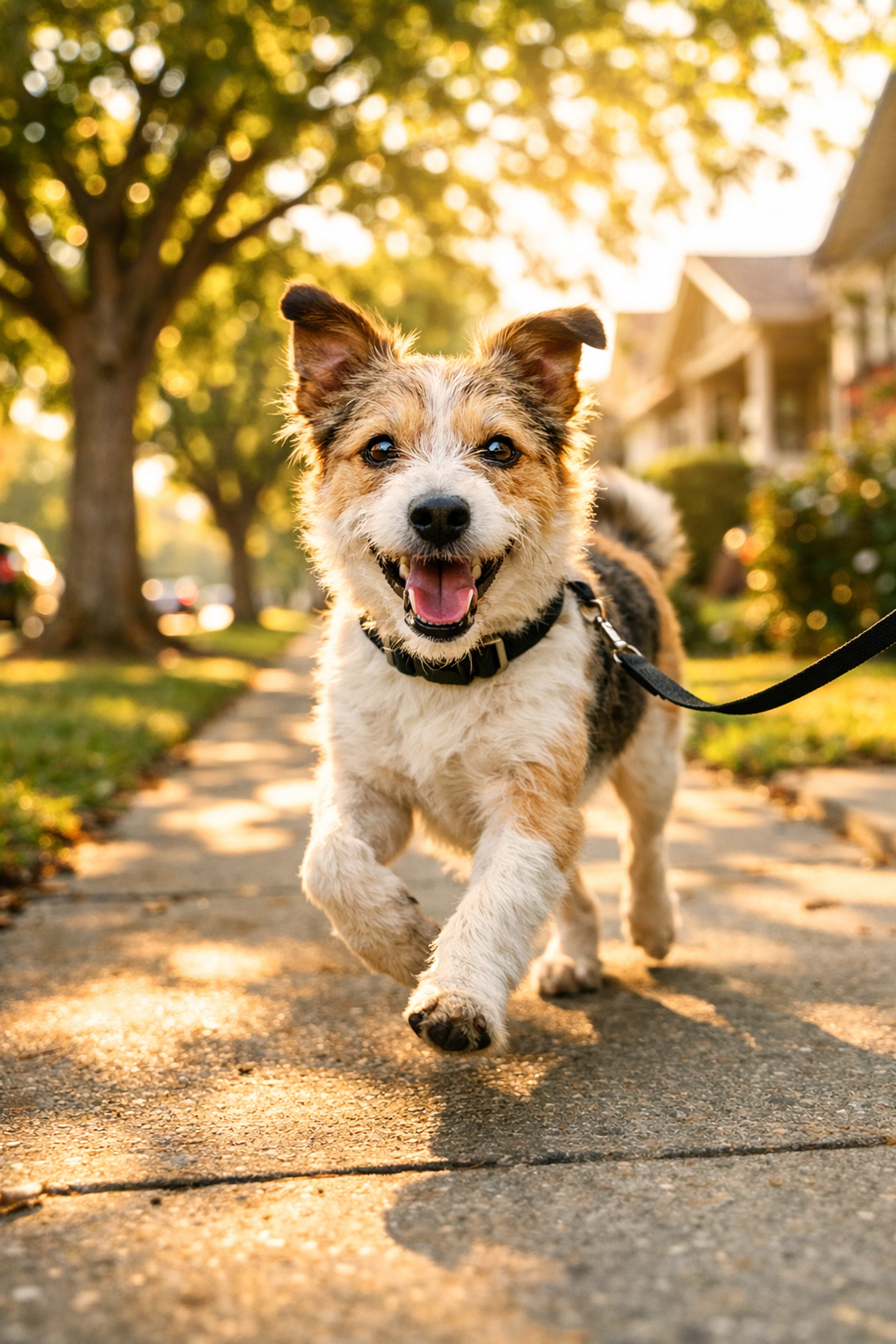
How to fix it: Establish a daily exercise routine from day one. Even if your dog seems hesitant at first, a short walk around the block is better than nothing. Gradually increase the distance and intensity as your dog becomes more comfortable. Consistency is key, same time, same routine, every day.
Mistake #6: Ignoring Your Dog's Body Language
Your dog is yawning. Licking their lips. Looking away. Stiffening up.
You think they're just being quirky.
Actually, they're telling you they're uncomfortable.
Too many people adopt a rescue dog without learning how to read the subtle signs of stress, fear, or discomfort. Then they're shocked when their dog eventually snaps or bolts because they missed all the earlier warnings.
How to fix it: Educate yourself on canine body language. Yawning, lip licking, whale eye (showing the whites of their eyes), freezing, turning away, these are all stress signals. When you see them, back off. Give your dog space. Respect their boundaries. They'll trust you more when they know you're listening.
Mistake #7: Giving Unlimited Access to Toys, Treats, and Special Spots
You leave out a basket of toys, toss treats whenever, and let your dog claim the couch, your bed, and your lap whenever they want.
It feels generous... but it can backfire.
When dogs have unlimited access to high-value items and spaces without any rules, they can develop resource guarding, entitlement issues, or possessive behavior. Not because they're bad dogs, but because no one taught them the boundaries.
How to fix it: Control access to the good stuff. Keep toys put away and bring them out during structured playtime. Hand out treats as rewards for good behavior, not just because. Make the couch or bed a privilege your dog earns by following the rules. This isn't about being mean, it's about teaching your dog that good things come from you, and that builds trust and respect.
You've Got This
Bringing home a rescue dog is one of the most compassionate things you can do. But it's also a learning curve, for both of you.
The mistakes we just talked about? Totally normal. We see them all the time, and they're fixable with just a little patience and consistency.
Your dog isn't broken. They're adjusting. And so are you.
If you want to learn more about how to help rescue dogs thrive, check out our other resources on what we do at Their Best Life Dog Sanctuary. And if you're thinking about opening your heart and home to another pup, we'd love to help you adopt a rescue dog who's waiting for their second chance.
You're already doing something incredible. Now let's make sure both you and your new best friend feel confident, supported, and ready to build a beautiful life together. 🐾
Comments