


7 Mistakes You're Making When Adopting a Senior Rescue Dog (and How to Fix Them)

Senior dogs are some of the most overlooked treasures in rescue. They've got so much love to give. They're often already trained. And honestly? They just want a cozy spot on the couch and someone to share their golden years with.
But here's the thing…
Adopting a senior rescue dog comes with its own unique set of considerations. And if you're not prepared, you might accidentally set yourself: and your new furry friend: up for a rocky start.
The good news? These mistakes are totally avoidable. Let's walk through the seven most common ones and, more importantly, how to fix them so you and your senior pup can thrive together.
Mistake #1: Falling in Love with Looks Instead of Personality
We get it. You see those soulful gray eyes, that distinguished muzzle, or maybe a dog that looks just like your childhood pet… and your heart melts.
But here's the truth: a dog's behavior will affect your daily life far more than their appearance.
That adorable beagle mix might be stunning, but if they need more exercise than you can provide or don't do well with cats, it's going to be a struggle for everyone.
How to Fix It:
Focus on temperament first. Ask the rescue team about the dog's energy level, quirks, and preferences. Does this dog like quiet evenings or backyard adventures? Are they good with other pets? With kids?
At Their Best Life Dog Sanctuary, we take the time to get to know each dog's personality so we can help you find the right match: not just the cutest face.
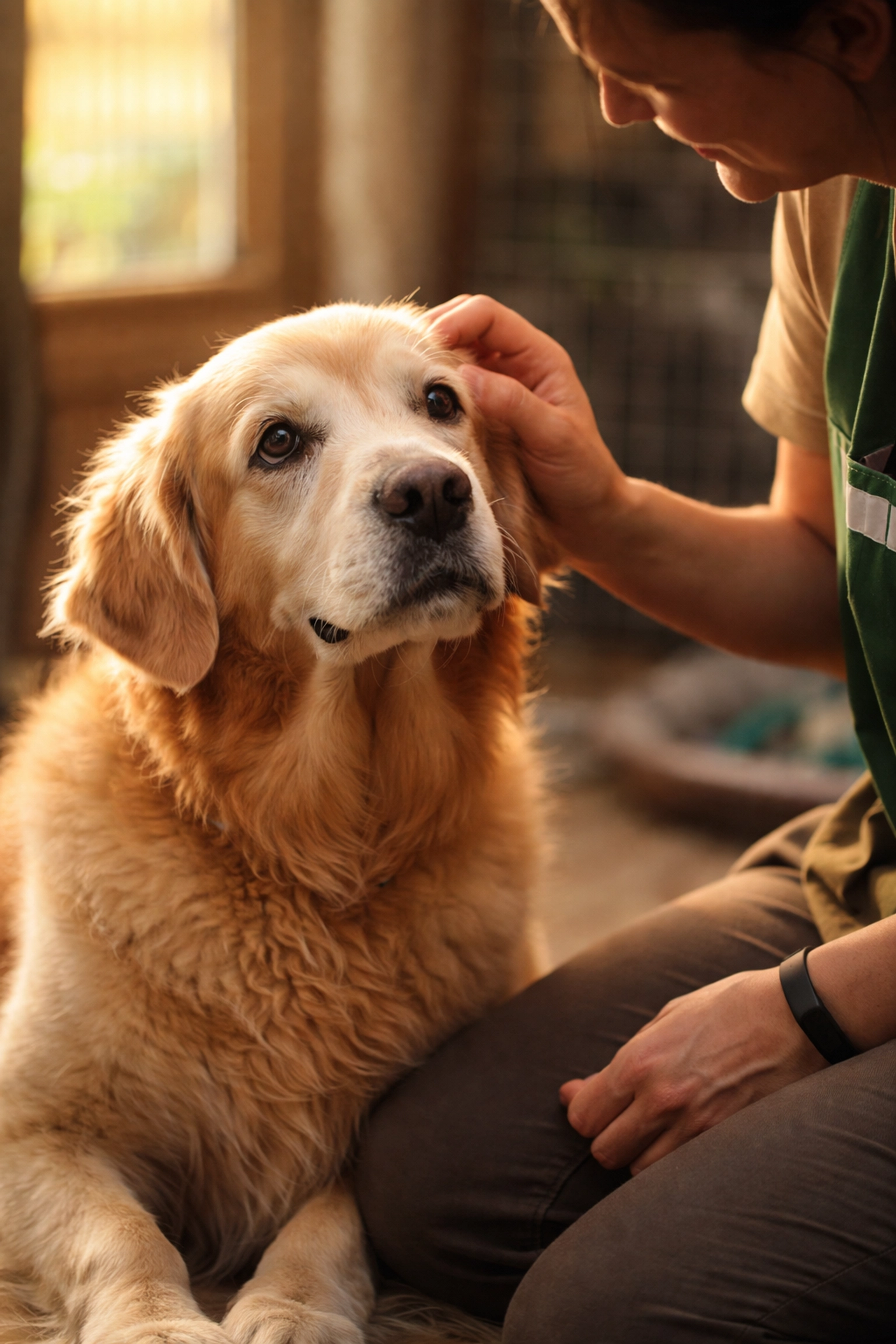
Mistake #2: Not Learning About the Dog's History
Every senior dog has a story. Some came from loving homes where their owner passed away. Others survived neglect or abandonment. A few have spent years bouncing between shelters.
That history shapes who they are today.
A dog who lived peacefully with an elderly couple might feel overwhelmed in a busy household with young children. A pup who was never socialized may need extra patience around new people.
How to Fix It:
Ask questions. Lots of them.
What was their previous living situation?
Do they have any known behavioral challenges?
How do they react to loud noises, strangers, or other animals?
The more you know going in, the better you can prepare your home: and your heart: for what's ahead.
Mistake #3: Rushing the Adjustment Period
You're excited. Your new dog is finally home. You want to introduce them to everyone, take them to the dog park, maybe throw a little welcome party…
Slow down.
The first few weeks after adoption can be overwhelming for a senior rescue dog. Too much, too fast can make them feel unsafe. And when dogs feel unsafe? They shut down. Or act out.
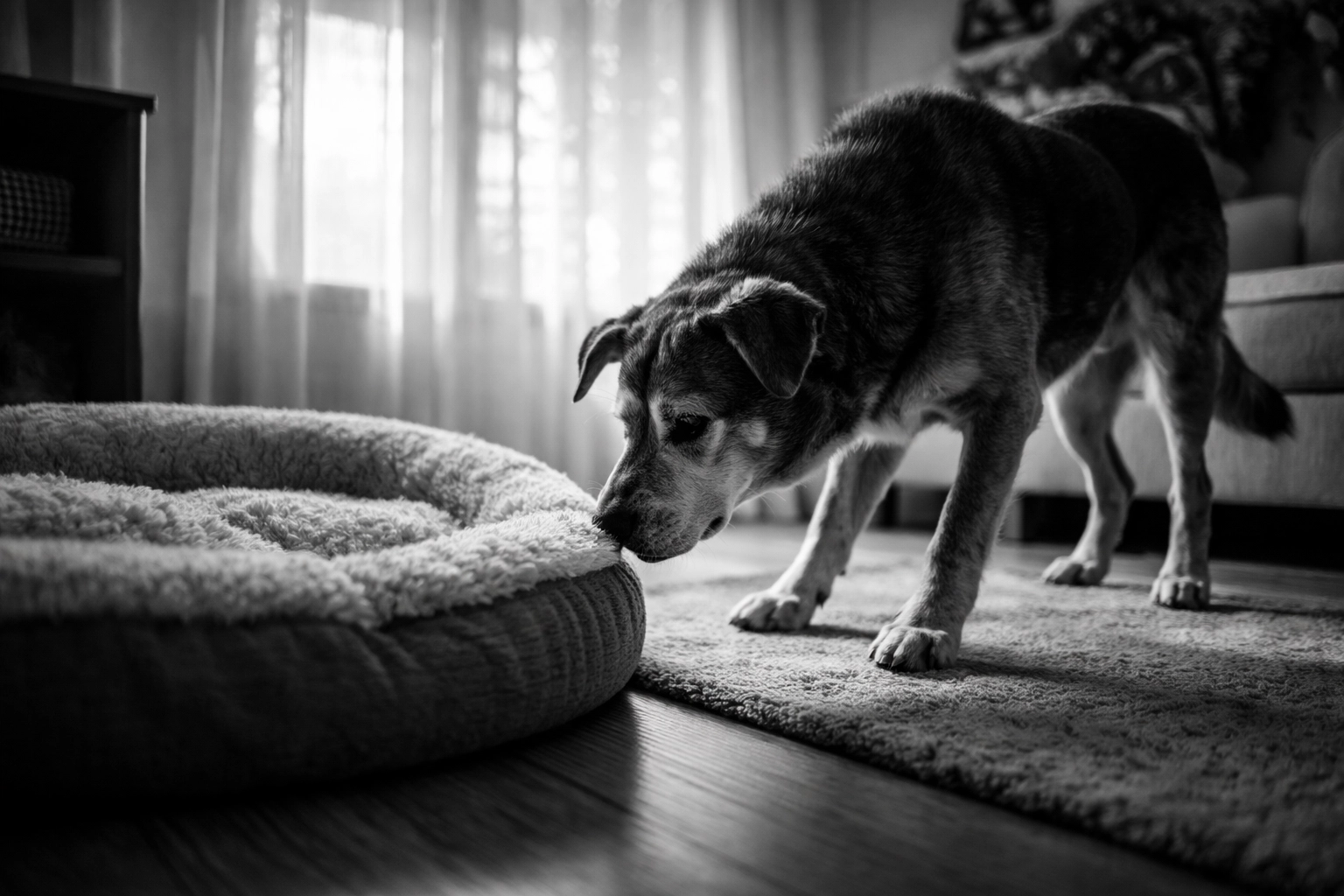
How to Fix It:
Give your new companion the gift of time and space.
Keep things calm and quiet for the first week or two
Let them explore your home at their own pace
Hold off on visitors and new experiences until they've settled in
Think of it like this: you're building trust, one quiet moment at a time. There's no rush.
Mistake #4: Ignoring Potential Health Needs
Let's be real: senior dogs are more likely to have health issues than puppies. Arthritis. Dental problems. Maybe a heart murmur or two.
This isn't a reason to avoid adopting them. It's just something to prepare for.
Some people skip the vet visit or put it off indefinitely. Others panic and rush their new dog to the clinic on day one. Neither approach is ideal.
How to Fix It:
Schedule a thorough vet exam about two weeks after adoption. This gives your dog time to decompress and start trusting you before facing the stress of a veterinary visit.
In the meantime, keep an eye out for:
Changes in appetite or energy
Limping or stiffness
Excessive thirst or bathroom accidents
And budget accordingly. Senior dogs may need medications, supplements, or special diets. It's all part of giving them their best life.
Mistake #5: Overlooking Mobility and Sensory Changes
Your new senior dog might not see as well as they used to. Their hearing could be fading. They might have stiff joints or trouble with stairs.
These aren't deal-breakers: they're just realities of aging. The mistake is not adapting your home to meet them where they are.
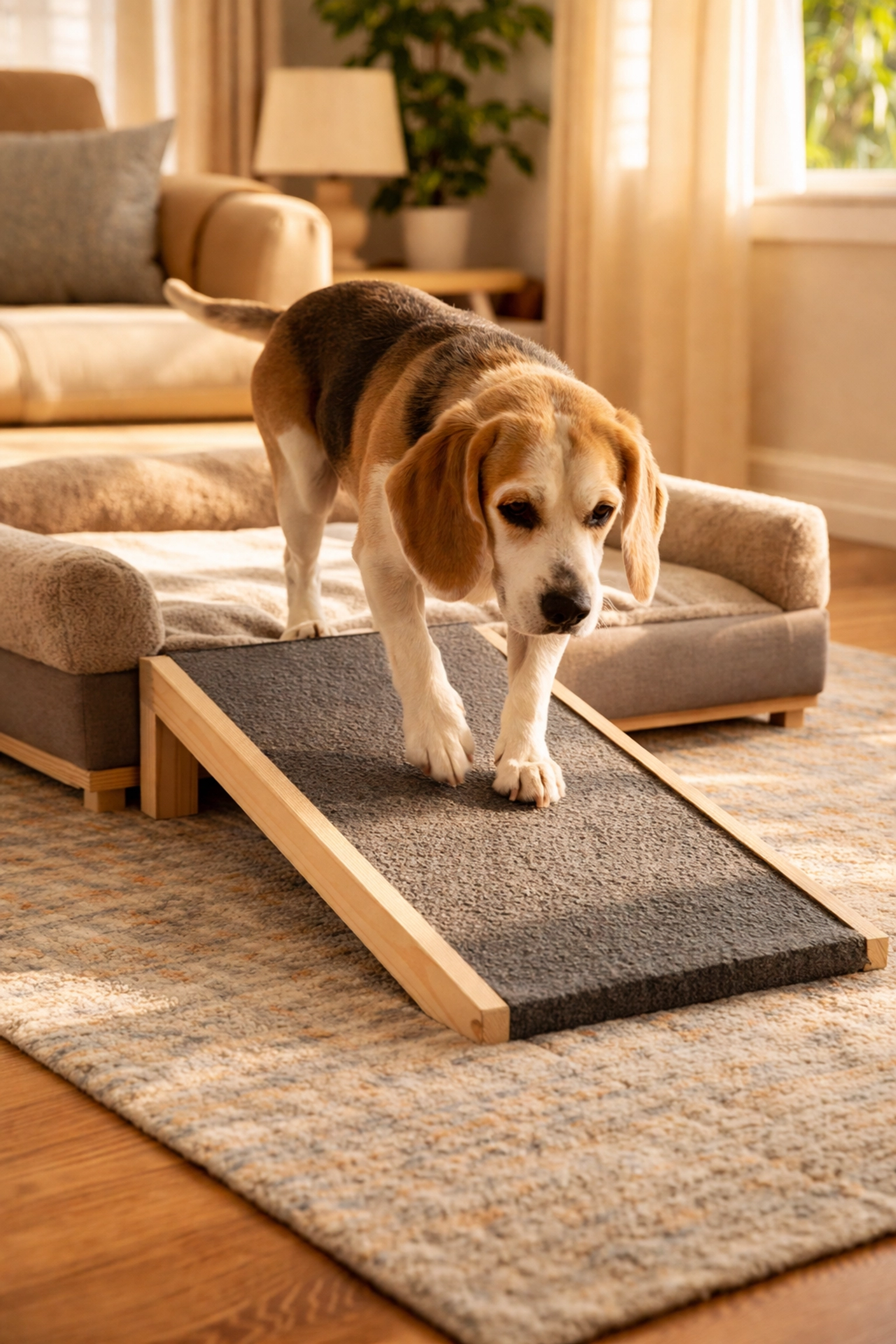
How to Fix It:
Do a quick walkthrough of your space with your dog's potential limitations in mind:
Vision loss? Keep furniture in consistent places and avoid rearranging too often
Hearing difficulties? Use hand signals alongside verbal commands
Joint stiffness? Add ramps, orthopedic beds, and non-slip rugs
Bladder control issues? Plan for more frequent potty breaks and be patient with accidents
Small adjustments make a huge difference in helping your senior dog feel comfortable and confident.
Mistake #6: Trying to Change Everything at Once
You want to train them. Socialize them. Introduce them to all your friends, family members, and the neighbor's golden retriever…
We love the enthusiasm. But too many changes at once can backfire.
Senior dogs: especially those who've been through trauma: need consistency and predictability. Bombarding them with new experiences before they've found their footing can increase anxiety and erode the trust you're trying to build.
How to Fix It:
Take it one step at a time.
Week one: Focus on basic routine (meals, potty breaks, quiet bonding)
Week two: Start introducing one new experience or person
Week three and beyond: Gradually expand their world
Patience isn't just a virtue here: it's your secret weapon.
Mistake #7: Not Being Honest About Your Lifestyle
This one's tough, but it's important.
Senior dogs have different needs than puppies or young adults. Some need constant companionship. Others are perfectly content snoozing while you work. Some require multiple daily medications. Others are low-maintenance sweethearts.
The mistake is adopting a dog whose needs don't align with your reality.

How to Fix It:
Before you adopt, ask yourself some honest questions:
How many hours a day will my dog be alone?
Can I handle frequent vet visits and potential medical costs?
Do I have the patience for a slower-paced companion?
Is my living space suitable for a dog with mobility issues?
There's no shame in admitting that a high-needs senior isn't the right fit for you right now. In fact, that honesty helps us place each dog in a home where they'll truly thrive.
Ready to find your match? Fill out our adoption questionnaire and let's start the conversation.
Senior Dogs Deserve Their Best Life
Adopting a senior rescue dog is one of the most rewarding things you can do. These dogs have so much wisdom, so much gratitude, and so much love left to give.
By avoiding these common mistakes, you're setting yourself up for a smoother transition: and giving your new companion the peaceful, loving home they deserve.
At Their Best Life Dog Sanctuary, we're here to support you every step of the way. From helping you find the perfect match to answering your questions after adoption day, we've got your back.
Learn more about who we are and how you can take action to help more senior dogs find their forever homes. 🐾
Comments