


7 Mistakes First-Time Rescue Dog Adopters Make (And How to Avoid Them)

So you've decided to adopt a rescue dog. First of all… thank you. Seriously. You're giving a deserving pup a second chance at life, and that's something truly beautiful.
But here's the thing. Bringing home a rescue dog isn't quite the same as bringing home a puppy from a breeder. These dogs have stories. Some have experienced trauma, neglect, or simply the overwhelming stress of shelter life. They need a little extra patience, understanding, and, most importantly, the right approach from day one.
The good news? Most first-time adopter mistakes are completely avoidable. You just need to know what to watch out for.
Let's walk through the seven most common mistakes we see… and exactly how you can sidestep them.
Mistake #1: Expecting Your Dog to Adjust Instantly
We get it. You've been dreaming about this moment. You've bought the cute bed, the matching leash and collar, maybe even a little bandana. You're ready for cuddles on the couch and long walks in the park.
But your new dog? They're not there yet.
Rescue dogs have been through a lot. Shelter environments are stressful, loud, unpredictable, and constantly changing. When they arrive at your home, they don't automatically understand that this is their "forever." To them, it's just another unfamiliar place with unfamiliar people.
What to do instead: Give your dog a decompression period. This means several days to a full week (sometimes longer) of low-key, calm energy. Keep things quiet. Let them observe. Don't rush introductions or activities. Think of it as letting them exhale after holding their breath for a very long time.

Mistake #2: Overwhelming Them with Affection
This one's tough because it comes from such a good place. You want your new dog to feel loved. You want to shower them with hugs, belly rubs, and reassurance.
But here's the reality: your dog doesn't know you yet.
To them, you're a stranger. And when a stranger gets in their face, hugs them, or pushes into their personal space… it can feel threatening, not comforting. Even well-meaning affection can actually increase anxiety rather than soothe it.
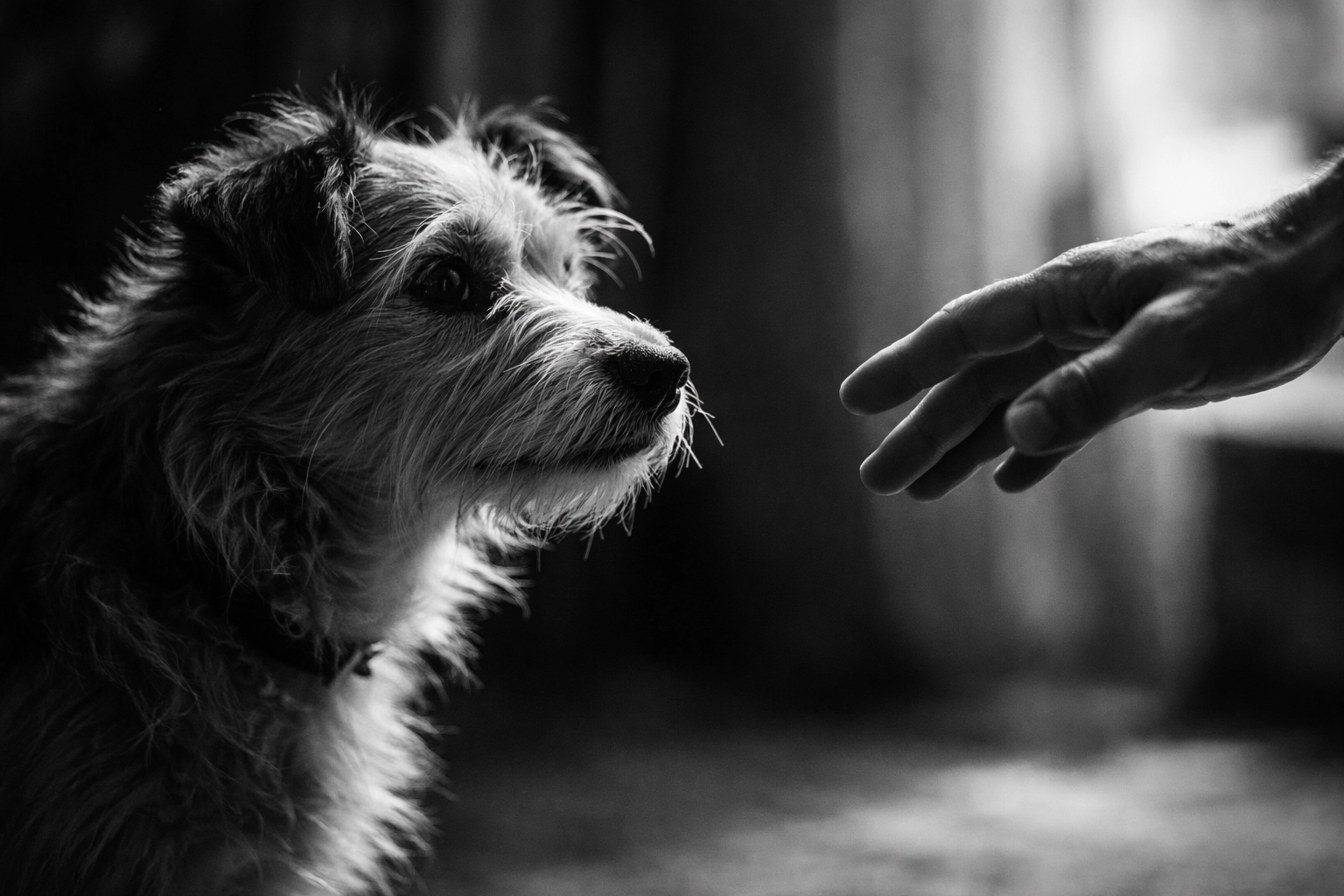
What to do instead: Let your dog come to you. Respect their boundaries. Watch their body language, if they move away, turn their head, or seem tense, give them space. Trust is earned over time, not forced in the first 48 hours. When they're ready for love, they'll show you.
Mistake #3: Giving Too Much Freedom Too Soon
You don't know this dog yet. You don't know if they're fully house-trained. You don't know if they'll chew your favorite shoes or have an accident on the rug. And honestly? They don't know the rules of your home either.
Letting a new rescue roam freely through your entire house from day one is a recipe for bad habits forming fast.
What to do instead: Start small. Confine your dog to one or two rooms initially, ideally somewhere easy to clean and monitor. As they demonstrate good behavior (no accidents, no destructive chewing), gradually expand their access. Think of it as earning privileges, not restricting freedom.
Mistake #4: Letting Them Have Free Reign Over Furniture and Possessions
Similar to the freedom issue… allowing your new dog to jump on couches, climb into bed, or help themselves to toys and treats without any structure can create problems down the road.
We're not saying your dog can never be on the couch. But when there are no rules from the start, dogs can develop pushy or possessive behaviors. They learn that they can take what they want, when they want.
What to do instead: Establish yourself as the source of good things. Control when your dog gets access to furniture, high-value toys, and treats. This isn't about dominance, it's about creating clarity. Your dog will actually feel more secure when they understand the structure of their new world.
Mistake #5: Skipping Exercise Because They Seem Tired
During those first few days, your rescue dog might seem… sleepy. Lethargic, even. They might spend most of their time lying in their crate or on their bed, barely moving.
Don't mistake this for laziness or low energy.
Dogs processing the stress of relocation are exhausted. Their brains are working overtime to make sense of everything. But that doesn't mean they don't need physical activity. Skipping exercise can lead to pent-up energy that eventually explodes into behavioral problems.
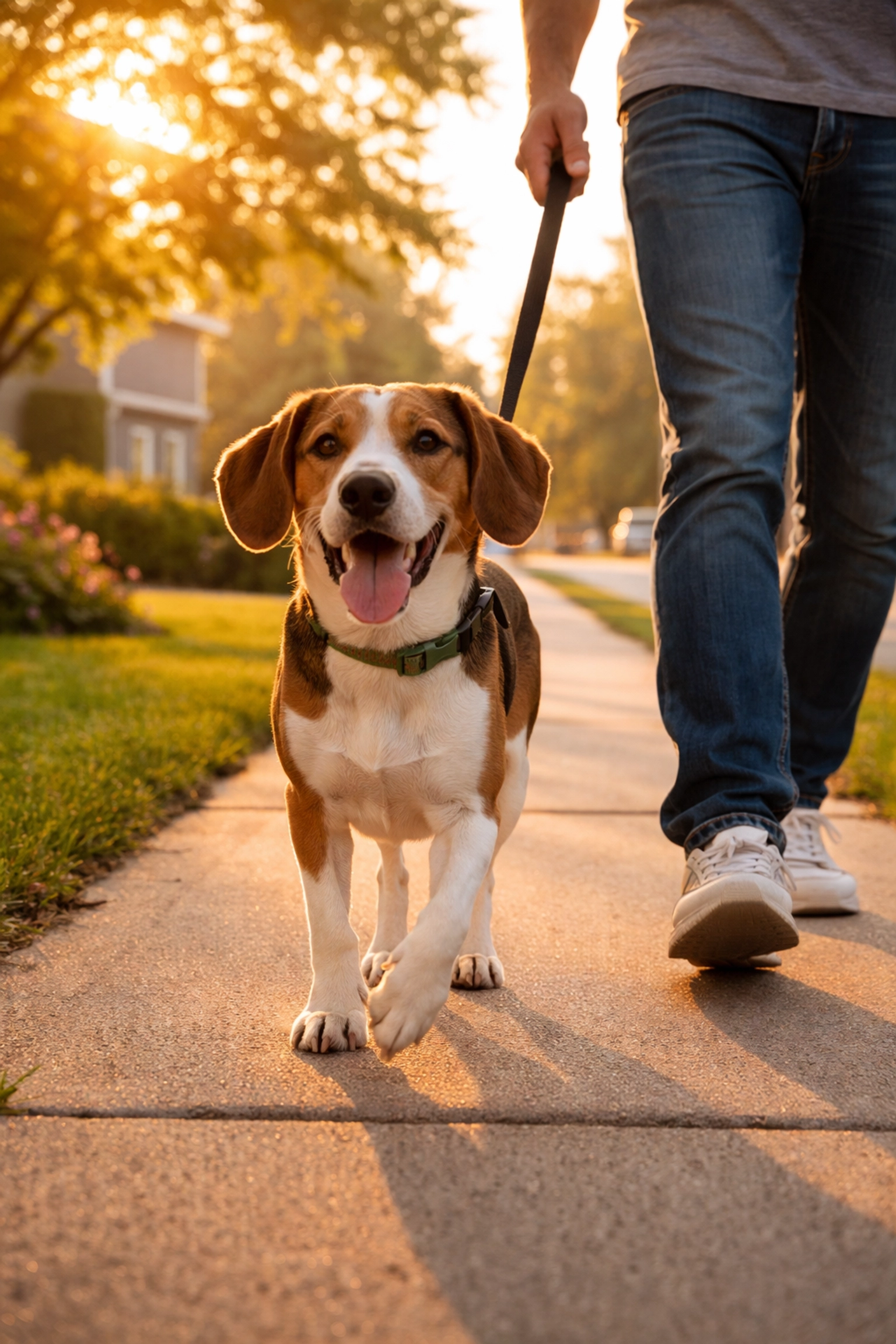
What to do instead: Establish a daily exercise routine from the very beginning. It doesn't have to be intense, a calm walk around the block is perfect. Consistency matters more than intensity. This also helps you bond and gives your dog a predictable rhythm to their new life.
Mistake #6: Taking Them to High-Stress Environments Right Away
We know you're excited to show off your new family member. Maybe you want to take them to the pet store for a special treat. Or to the dog park to make some friends.
Please… wait.
Your dog is already stressed. Taking them from one overwhelming environment (the shelter) to another (a busy store or park full of strange dogs and people) is a lot. And here's the thing: they don't even know you yet. They don't understand that you're their person. In a stressful situation, they might try to escape, shut down, or even react defensively.
What to do instead: Build your bond first. Spend quiet time together at home. Go on calm neighborhood walks. Let your dog learn that you're safe, reliable, and trustworthy. Once that foundation is solid: usually after a few weeks: you can start introducing new environments slowly.
Mistake #7: Allowing Unlimited Access to Other Pets and Family Members
If you have other pets or children at home, it's tempting to let everyone meet and mingle right away. But without clear boundaries, your new rescue might crowd other animals, act pushy with kids, or simply feel overwhelmed by all the attention.
What to do instead: Structure these interactions from the start. Supervise all meetings. Give your resident pets space to retreat if needed. Teach children to respect the new dog's boundaries. Controlled, positive introductions set everyone up for success: including your rescue.
The Bottom Line: Patience Is Everything
Here's what all seven of these mistakes have in common: they're about rushing.
Rushing connection. Rushing freedom. Rushing trust.
And we understand why. You've opened your heart and your home to a dog in need. You want them to feel happy, safe, and loved as quickly as possible.
But the kindest thing you can do for your rescue dog is slow down. Give them time. Give them structure. Give them the gift of patience.
Those first few weeks are critical. A single preventable mistake could lead to behavioral issues, returned adoptions, or worse. But when you approach this transition thoughtfully? You're setting the stage for a lifetime of love.
Ready to Give a Dog Their Best Life?
At Their Best Life Dog Sanctuary, we believe every dog deserves a second chance: and every adopter deserves support. Whether you're thinking about adopting, fostering, or simply learning more about rescue dogs, we're here to help.
Considering adoption?Fill out our adoption questionnaire to get started.
Want to learn more about who we are and what we do?Visit our About page to see how we're making a difference, one wagging tail at a time.
Together, we can help more dogs live their best lives. 🐾
Comments