


Where Does Your Donation Actually Go? The Real Cost of Saving a Rescue Dog

You click "donate." The transaction goes through. And then... what?
If you've ever wondered where your donation actually goes when you support a dog rescue, you're not alone. Most people assume it covers kibble and maybe some vet bills. But the truth? Saving a rescue dog costs way more than you'd think, and every single dollar you give makes a tangible difference.
Let's pull back the curtain and show you exactly what happens to your donation at Their Best Life Dog Sanctuary.
The Real Numbers Behind Rescue (They're Higher Than You Think)
Here's something most rescues won't tell you upfront: the adoption fee you pay rarely covers the actual cost of rescuing that dog.
According to industry data, adoption fees typically range from $50 to $500 depending on the organization and the dog's needs. Sounds reasonable, right?
Now consider this: the average spay or neuter procedure alone costs between $200 and $800 in private practice. That's just one procedure. Before a dog is ready to adopt a rescue dog into your home, they've already received:
Complete veterinary exam
Vaccinations (distemper, parvo, rabies, bordetella)
Spay/neuter surgery
Microchipping
Deworming and flea/tick prevention
Any emergency medical treatment needed upon intake
Do the math. We're already looking at $500-$1,200 in medical costs alone... before food, shelter, behavioral support, or staff time.
That gap? That's where your donations come in.
Breaking Down the Dollar: Where Your Money Actually Goes
Let's get specific. When you donate $50 to Their Best Life Dog Sanctuary, here's what that looks like in real-world impact:
Medical Care (40-50% of budget)
This is the big one. Many rescue dogs for adoption come to us with serious health issues, heartworm, mange, broken bones, infections, dental disease. Some need surgery. Others need months of medication.
Your $50 donation might cover:
One week of antibiotics for a dog with an infection
A heartworm test and initial treatment dose
Dental cleaning for a senior dog
Emergency vet visit co-pay
Food & Supplies (20-25% of budget)
Rescued dogs don't eat fancy food, but they need quality nutrition to heal and thrive. A 30-pound bag of dog food costs around $40 and lasts about two weeks for one medium-sized dog.
Your donation also covers:
Bowls, beds, collars, leashes
Cleaning supplies (rescues go through a LOT of bleach)
Toys and enrichment items
Crates and kennels
Rehabilitation & Behavioral Support (15-20% of budget)
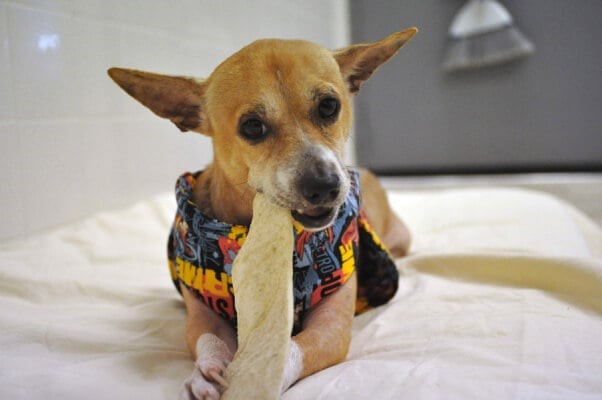
Not every dog comes to us ready for a home. Some are terrified of humans. Others have never walked on a leash. Many need help learning basic manners or overcoming trauma.
This includes:
Professional training sessions
Behavior modification programs
Socialization activities
Exercise and enrichment programs
Operations & Overhead (15-20% of budget)
The un-sexy stuff that keeps the lights on:
Facility rent or mortgage
Utilities
Insurance
Transportation for vet visits and rescues
Administrative costs
Website and adoption platform maintenance
Yes, we try to keep overhead low. But rescues can't run on good intentions alone. These costs are real and necessary.
The Dogs That Cost More (And Why They're Worth Every Penny)
Some dogs are more expensive to save than others. And honestly? Those are often the ones who need us most.
Senior dogs. They're the first ones overlooked when people want to adopt a rescue dog. They often come with arthritis, dental issues, or chronic conditions requiring ongoing medication. But they're also the sweetest, most grateful souls you'll ever meet.
Medical cases. The dog hit by a car. The puppy with parvo. The old girl with mammary tumors. These dogs rack up vet bills in the thousands before they're even stable enough to list for adoption.
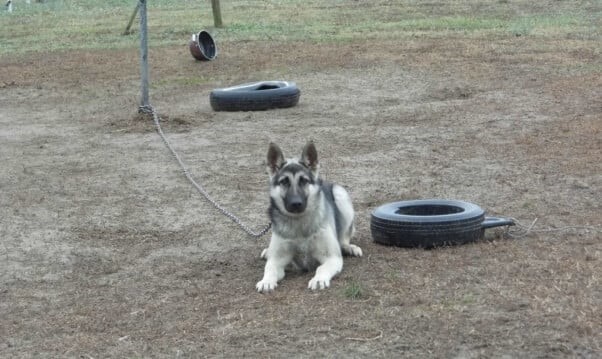
Behavioral cases. Dogs who've been abused or severely neglected need patient, specialized care. Training isn't cheap, but watching a terrified dog learn to trust again? Priceless.
We don't turn these dogs away because they're "too expensive." We figure it out. But we can only do that with your help.
Your Impact: What Different Donation Levels Actually Do
$25 – Covers a basic vet exam or one month of heartworm prevention for one dog
$50 – Provides a week's worth of food and supplies for three dogs
$100 – Covers vaccines and microchipping for one dog
$250 – Pays for a spay/neuter surgery
$500 – Funds emergency medical care or initial heartworm treatment
$1,000 – Covers the complete cost of rescuing, vetting, and preparing one dog for adoption
Monthly recurring donation of $30 – Sponsors one dog's food and basic care for an entire month
See how it adds up? Every amount matters. There's no donation too small to make a difference.
The Hidden Costs Nobody Talks About
Beyond the obvious expenses, there are costs people don't think about:
Emergency situations. When we get a call about an abandoned litter of puppies or a dog in immediate danger, we don't check the budget first. We say yes and figure it out later.
Long-term residents. Some dogs stay with us for months, even years, before finding the right home. They deserve quality care for however long it takes.
Follow-up support. Our job doesn't end at adoption. We provide post-adoption support, take dogs back if needed, and stay connected with adopters.
Community outreach. Education, spay/neuter programs, and community partnerships prevent future homeless dogs. That work costs money but saves lives long-term.
Why Transparency Matters (And What We're Doing About It)
Look, we get it. You work hard for your money. You deserve to know it's being used wisely.
That's why we're committed to full transparency. Every donation is tracked. Every expense is documented. And we're always happy to show you exactly where your money goes.
Want to see our financials? Just ask. Curious about a specific dog's medical costs? We'll share the receipts.
Because trust is earned, not assumed.

The Ripple Effect: How Your Donation Saves More Than One Dog
Here's something beautiful about rescue work: one donation creates a ripple effect.
When you donate $250 for a dog's spay surgery, you're not just helping that one dog. You're:
Opening up a kennel space for another dog in need
Preventing future unwanted litters
Supporting a network of volunteers and fosters
Showing the community that rescue matters
Inspiring others to get involved
Your donation doesn't just save one life. It changes the entire system.
How to Make Your Donation Go Further
Want to maximize your impact? Here are some insider tips:
Give monthly. Recurring donations help us budget and plan better. Even $20/month makes a huge difference.
Donate supplies. Check our wishlist for needed items. Sometimes a case of dog food helps as much as cash.
Sponsor a specific dog. Have a soft spot for seniors or special needs pups? You can sponsor their care directly.
Share our work. Not everyone can donate money, but everyone can share our posts and spread the word.
Volunteer your skills. Are you a photographer? Graphic designer? Grant writer? Those skills are valuable too.
Real Talk: What Happens Without Donations
We don't like guilt trips. But you deserve honesty.
Without adequate donations:
We have to turn away dogs who desperately need help
Medical cases get prioritized, and routine care gets delayed
Dogs stay in kennels longer because we can't afford to take in more
Staff and volunteers burn out trying to do more with less
Rescue shouldn't be a luxury reserved for organizations with deep pockets. Every dog deserves a chance. But we can only give them that chance with community support.
Your Next Step
You've made it this far. You care. So here's what we're asking:
Consider making a donation today. Whatever amount feels right for you. No judgment, just gratitude.
Donate now at Their Best Life Dog Sanctuary and know that every single dollar goes directly toward saving lives.
Can't donate right now? That's okay. Share this post. Tell a friend. Visit our website to learn about other ways to help.
The dogs can't advocate for themselves. But you can be their voice. You can be the reason a scared, lonely dog gets a second chance at their best life.
Will you join us?
Because at the end of the day, rescue work comes down to people like you showing up and saying, "Yes, this matters. Yes, I'll help."
And honestly? That's everything.
Comments